- The Strange, Irresistible Charm of Berlin (Final Episode)
- The Golden Rule of Berlin Transport — No Ticket Gates, So Don’t Forget to Validate
- Sunday Is a “Day of Rest” — Use the Closing Laws (and Exceptions) to Your Advantage
- Berlin Food Culture — Döner Kebab and the “Späti”
- Safety and Graffiti — Less Scary Than It Looks
- Small Extras That Make Travel Easier (Little Stories)
- Frequently Asked Questions (FAQ)
- Conclusion — Berlin: A City Where “Unfinished” and “Freedom” Coexist
- Next Up
The Strange, Irresistible Charm of Berlin (Final Episode)
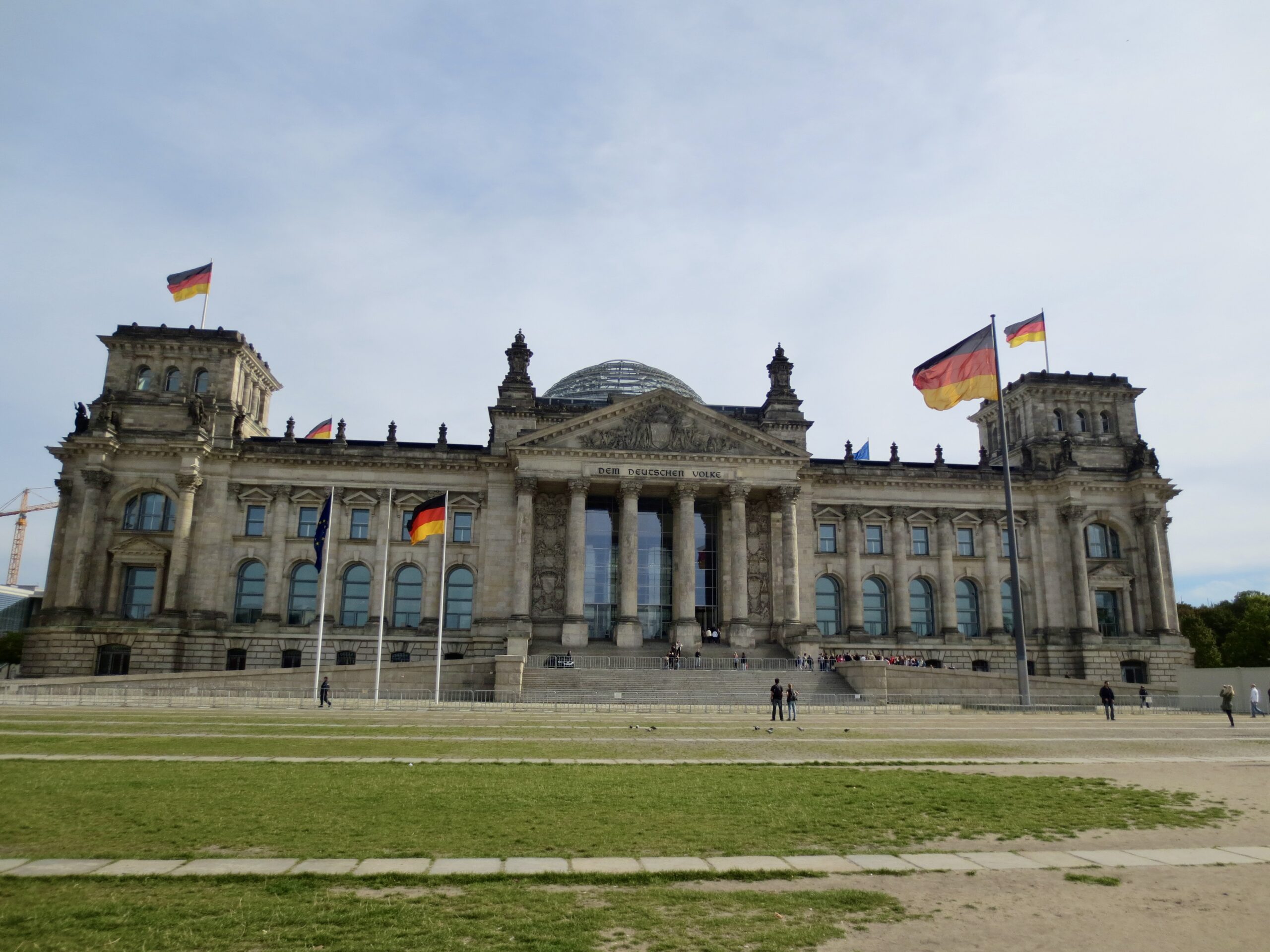
Art-filled P-berg (Prenzlauer Berg), history-soaked Mitte, elegant Potsdam, and the winter magic of Christmas markets—this final post wraps up my five-part Berlin travel series with practical travel know-how and a handful of small stories that didn’t make it into the earlier articles. The more I look back, the more Berlin feels like a city you can’t describe in just one phrase—multifaceted, unfinished, and free all at once. Think of this as a guide to enjoying Berlin with your shoulders relaxed, in a way that feels more like living than “touring.”
The Golden Rule of Berlin Transport — No Ticket Gates, So Don’t Forget to Validate
Berlin’s S-Bahn (commuter rail), U-Bahn (subway), trams, and buses form a dense network, and with Google Maps it’s hard to get truly lost. The biggest difference from Japan is this: there are no ticket gates. If you use a paper ticket, you usually need to validate it (Entwertung) using a stamping machine on the platform.
How to validate (Entwertung)

- Buy a paper ticket from a ticket machine.
- Insert it into the yellow/white stamping machine on the platform (often on a pillar or wall) so it prints the date and time.
- Ride after stamping—this “activates” your ticket.
Mobile/app tickets: Some types don’t require validation because the purchase time is displayed automatically. Follow the instructions shown in the app.
Ticket inspections and fines (Kontrolle)
- Inspectors check tickets at random on platforms or inside vehicles.
- If you forget to validate or ride without a valid ticket, the fine can be steep (often around €60+). You may be asked for ID and given instructions to pay on the spot or later.
- Rules and fines can change, so check official information before your trip.
Zones & tickets
On trams and buses, you may board from the front and validate near the driver depending on the vehicle—follow onboard signs.
Pay attention to fare zones: AB / BC / ABC. Berlin Brandenburg Airport (BER) is in Zone C, so for airport trips, an ABC ticketis the safe choice.
24/48/72-hour tickets or day passes become valid from the moment you validate them, so choose based on your schedule for the best value.
Sunday Is a “Day of Rest” — Use the Closing Laws (and Exceptions) to Your Advantage
Germany has store-closing rules (Ladenschlussgesetz), and many shops are closed on Sundays and public holidays—including supermarkets and department stores.
What you can do on Sundays
- Museums: Many are open (check special exhibitions just in case).
- Cafés: A relaxed local hangout option.
- Flea markets: The Mauerpark flea market is a classic (see Vol. 1).
Exception: Supermarkets at Berlin Central Station (Hauptbahnhof)

Some station supermarkets are open on Sundays (but they can be extremely crowded).
If you need water, snacks, or daily necessities, this can save you—just accept the long checkout lines as part of the Berlin experience.
How to plan your itinerary
- Do grocery shopping by Saturday morning if possible
- Use Sunday for a slower route—museum → café → flea market
Berlin Food Culture — Döner Kebab and the “Späti”
Döner Kebab
Berlin is often considered a center of modern döner culture. It’s loaded with vegetables, offers a variety of sauces, and hits the sweet spot of cheap, fast, and delicious. If there’s a long line, that’s usually a good sign. Every shop has its own bread and sauce style—finding your personal “favorite kebab place” is part of the fun.
📍 Mustafa’s Gemüse Kebap
Address: Mehringdamm 32, 10961 Berlin
Access: Right by Mehringdamm station (U6/U7)
Highlights: Fried vegetables plus a finishing touch of feta and lemon—layers of aroma and flavor.
Tip to avoid lines: Right after opening, or mid-afternoon after the lunch rush is usually smoother.
A “Berlin night” at a Späti

A Späti is a corner kiosk that stays open late. Buying a bottled beer there and having one in a park or by a canal might be the most Berlin-like night of all.
Etiquette: Keep noise down. Drinking on public transport may be prohibited depending on the line or situation—follow posted rules and announcements.
Price feel: Beer is often around €1–€2.
Pfand (deposit): Return empty bottles to get about €0.10–€0.25 back.
Safety and Graffiti — Less Scary Than It Looks

Areas like Kreuzberg and Neukölln can feel intense at first because there’s so much graffiti. But it’s also part of the city’s street culture. Tourist routes are generally well established, and with basic urban awareness you don’t need to be overly afraid.
Anti-pickpocket / petty crime checklist
- Wear your bag in front and keep zippers closed.
- Don’t leave your phone out in crowded places.
- Avoid quiet, deserted alleys late at night.
- Use ATMs inside buildings when possible.
- If you’re feeling unwell, don’t push yourself—use taxis or ride-hailing apps.
Graffiti can also be a photo highlight. Going for a “wall art walk” is one of Berlin’s most Berlin experiences.
Small Extras That Make Travel Easier (Little Stories)
- Payments: Cashless is common, but keeping a little cash helps (street stalls, public toilets in parks, etc.).
- Tipping: About 5–10% at restaurants/cafés is typical; rounding up is common.
- Clothing: In winter, wind protection matters. At Christmas markets, prioritize warm hands and feet.
- Bike lanes: Berlin has red/blue bike lanes separate from sidewalks and roads—watch your step as a pedestrian.
- Language: In central areas, English is usually fine. Even just saying “Danke” can earn you a smile.
Frequently Asked Questions (FAQ)
Q1. Do paper tickets always need validation?
A. Yes—generally it’s buy → validate → ride. Some app tickets or tickets that already show a printed time may not need validation, so follow the instructions at purchase.
Q2. Is there anywhere to shop on Sundays?
A. Some station shops and stores attached to tourist facilities are exceptions. The supermarket at Berlin Central Station often operates on Sundays (expect crowds).
Q3. How late are Spätis open?
A. It depends on the store, but many stay open late into the night. Be mindful of local rules about alcohol sales and noise.
Q4. Is Berlin safe?
A. Standard big-city precautions are enough: watch for pickpockets, avoid deserted streets at night. If you’re worried, stick to well-lit, busy areas and head home earlier.
Note: Fares, fines, and business hours can change. Please check official sites for the latest information before traveling.
Conclusion — Berlin: A City Where “Unfinished” and “Freedom” Coexist

Berlin is a city that doesn’t hide its scars, yet lives alongside new culture and creativity. It’s not the perfectly polished kind of beauty—its openness and room to breathe are part of what draws people in. I lived here for two years and never got tired of it. Someday, I want to come back again—not as a resident this time, but as a traveler. Berlin is the kind of place that leaves you feeling that way.
Next Up
Next, I’ll introduce Copenhagen, just about a 40-minute flight from Berlin. I’ll share ideas for making the most of a two-day weekend in a city of Nordic design and cycling culture. Stay tuned!


コメント