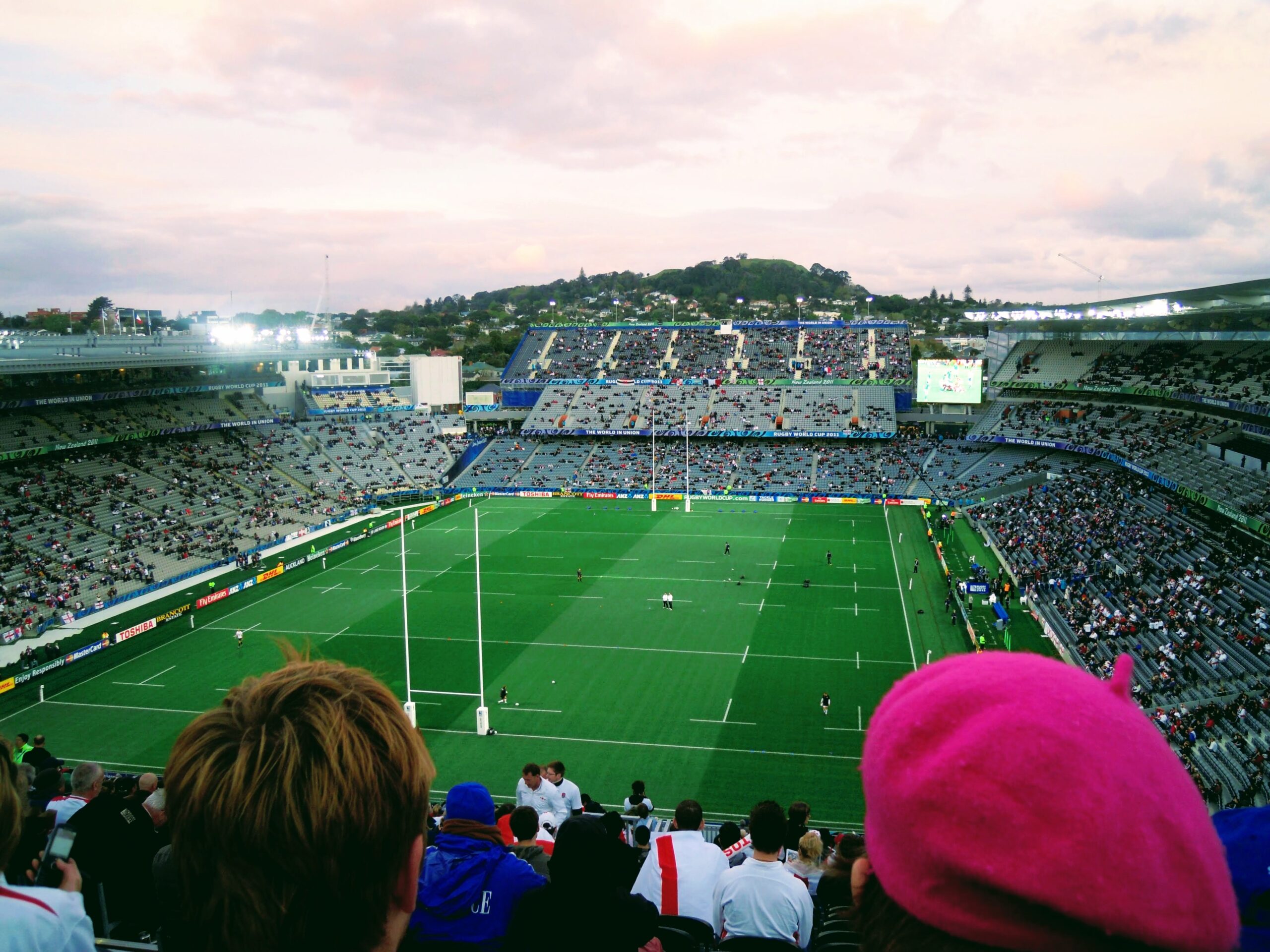
In 2011, New Zealand hosted the Rugby World Cup. I happened to be living in Auckland at the time, and what followed was one of the most extraordinary things I’ve witnessed in any city, anywhere. The entire country converted itself into a single stadium. For the duration of the tournament, Auckland didn’t really feel like a city — it felt like a team.
Black jerseys everywhere. Queen Street, the waterfront, the pubs, the buses. The color of expectation.
The Weight of History on the All Blacks
The All Blacks entered the tournament as heavy favorites — and as a team carrying 24 years of hurt. They had won the inaugural World Cup in 1987 and had not won it since. In the previous tournament, they had lost to France in the quarterfinals, to a team they should have beaten comfortably. The combination of expectation and anxiety in the New Zealand public was something you could feel.
Then, just before the knockout rounds, Dan Carter — the best fly-half in the world and the team’s primary kicker — was injured and ruled out. The odds shifted. The atmosphere tightened further.
Match Days: When the Whole Country Watched Together
On All Blacks match days, the city transformed. Giant screens went up in pubs and public squares, and crowds gathered hours in advance. I watched several games in pubs, pint in hand, surrounded by strangers who by the final whistle felt like old friends. People embraced people they’d never met. Someone would score and the room would erupt in a single, shared sound. I’ve been in sports crowds elsewhere and this was different — more total, more communal, more sincere.
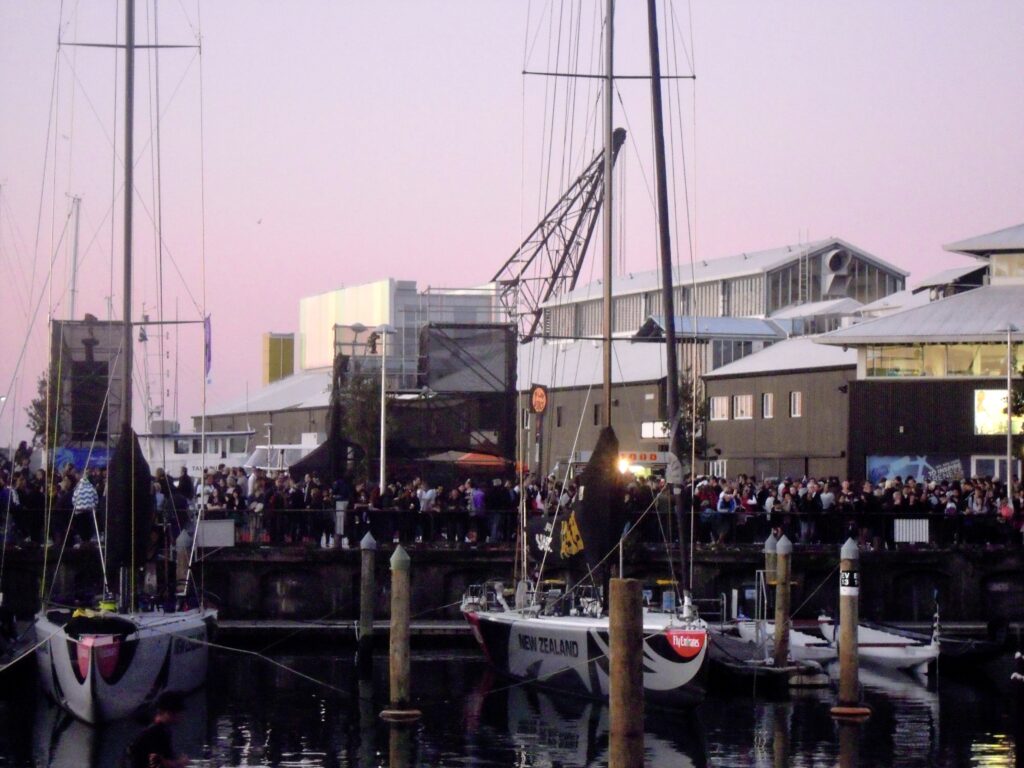
Japan vs France — Closer Than Anyone Expected
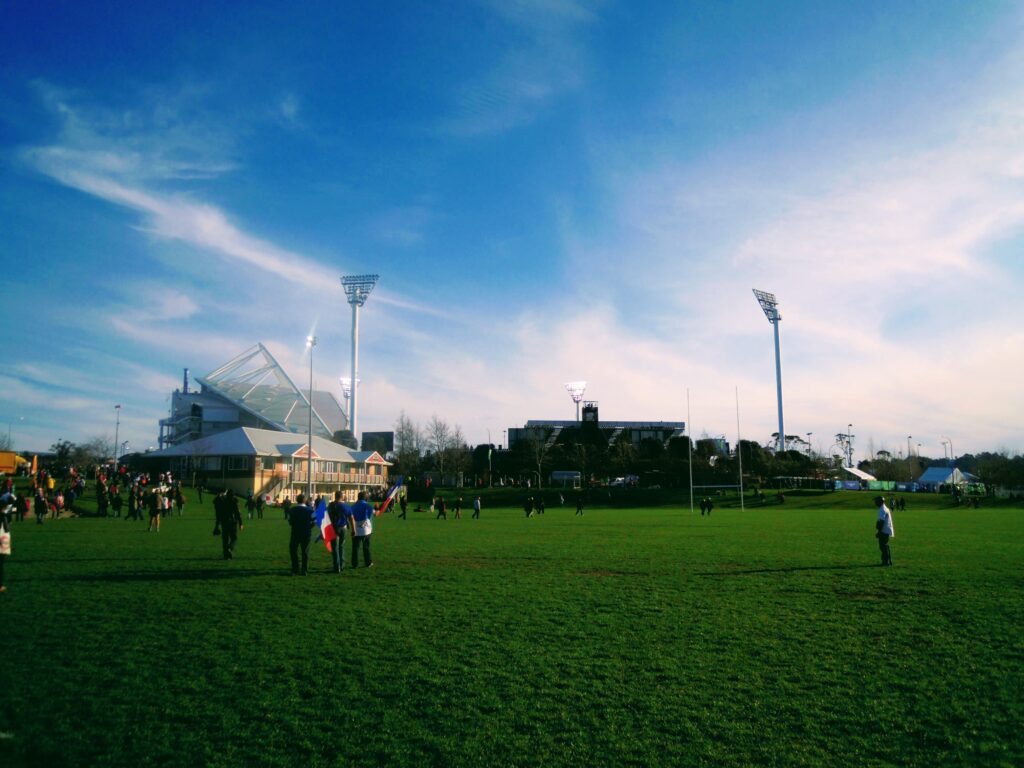
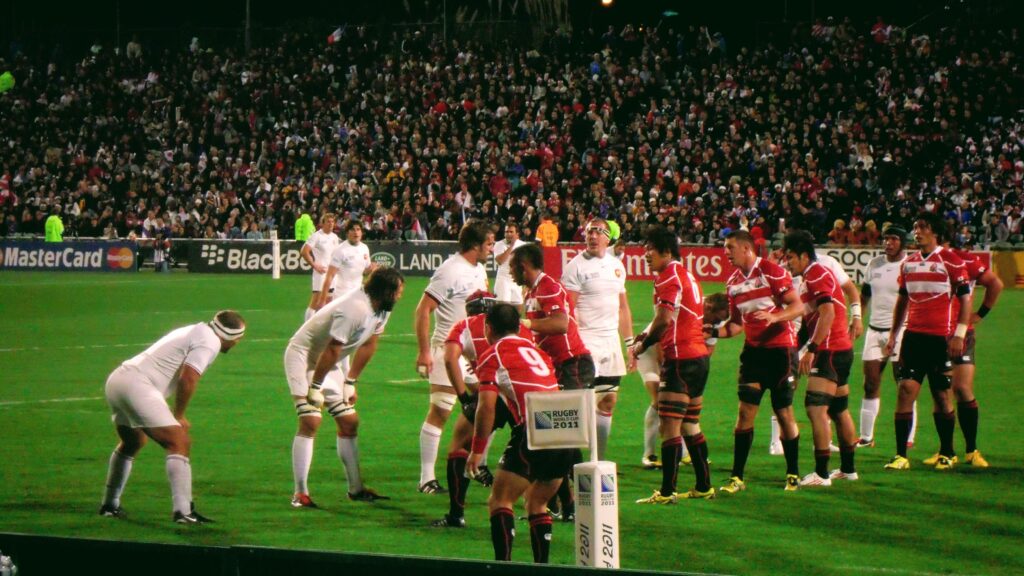
One of the matches I attended in person was Japan vs France at North Harbour Stadium. I managed to get seats close to the field — close enough to watch the substitute players warming up on the touchline a few meters away.
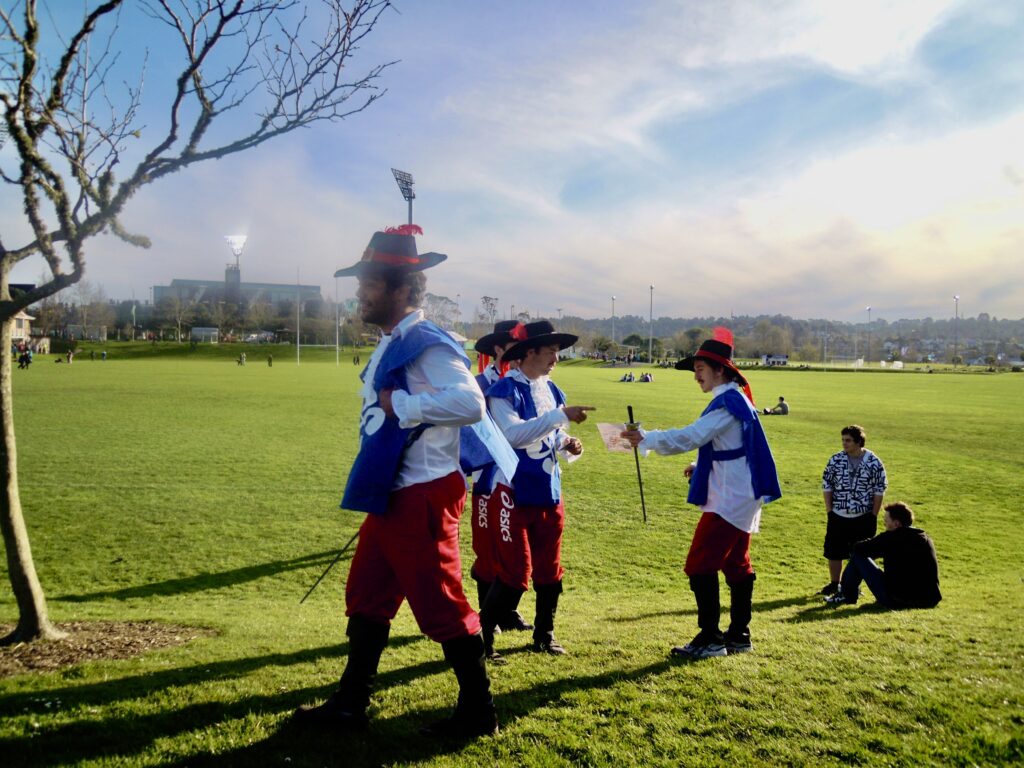
I went in expecting France to win by a wide margin. The Japan team that took the field had other ideas. They tackled ferociously, held their scrum under enormous pressure, and scored tries that brought the Japanese supporters in the stadium to their feet. The final score was 47–21, but at one point in the second half Japan had pulled it back to 25–21. The French supporters went quiet. The Japanese supporters were beside themselves.

Japan lost, and the gap in the end was significant. But watching a team compete with that intensity against one of the world’s best sides, from that distance, was worth the ticket alone.

France vs England — A Stadium Divided
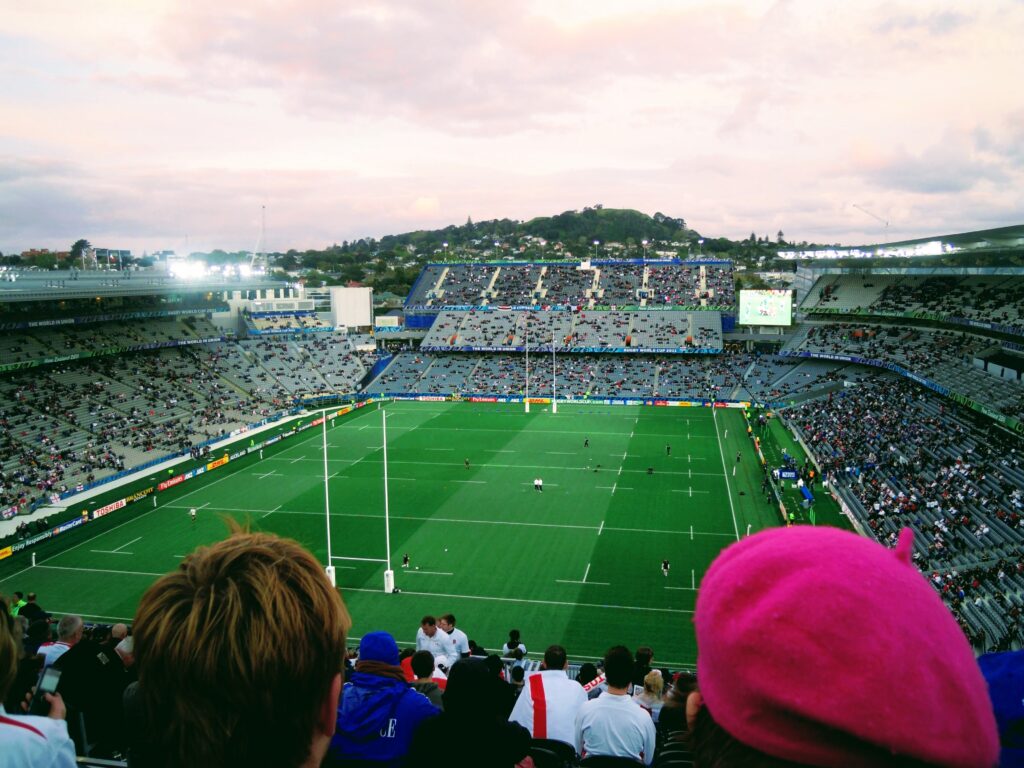
The other match I attended was France vs England — one of rugby’s oldest and most charged rivalries. The atmosphere was specific: the stadium wasn’t just full, it was divided. Two distinct bodies of noise, pulling in opposite directions. England couldn’t find a way through France’s defense, and France won 19–12. A France team that most people hadn’t given much chance of going deep in the tournament was now through to the final.
The Final: All Blacks vs France — Watching History in a Pub
The final was the match the whole country had been building toward — and the opponent was France, the team that had ended New Zealand’s last World Cup campaign. The previous group stage match had been a comfortable All Blacks win, but that was with Carter. Without him, it was a different equation.
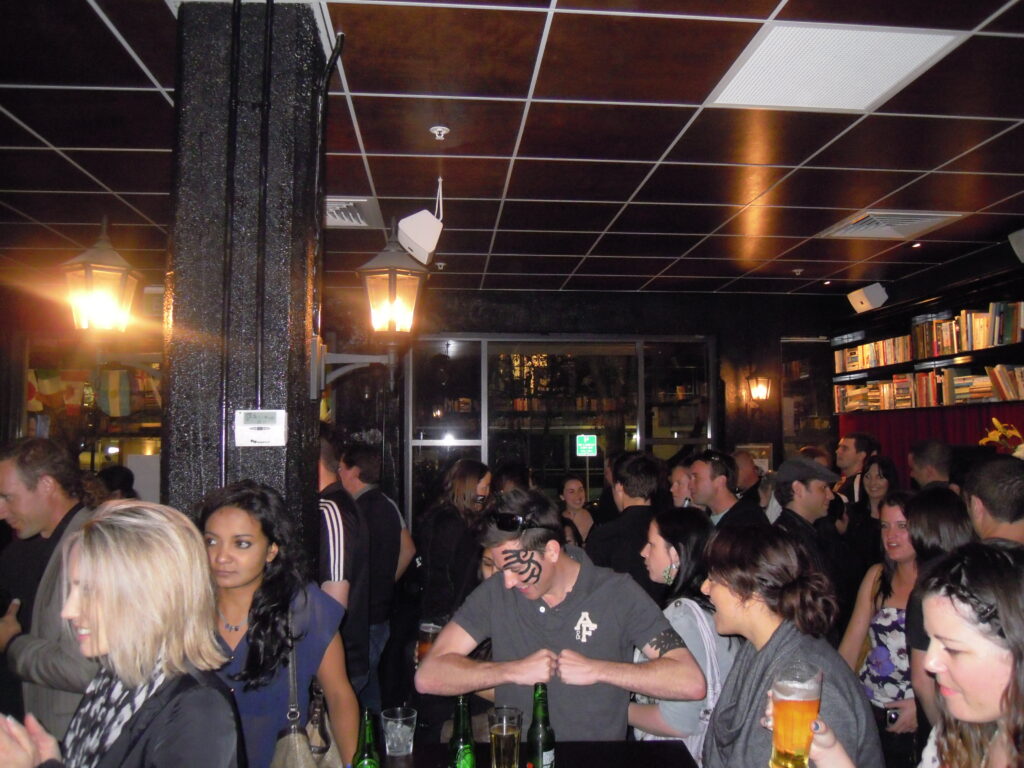
I watched the final in a pub. The noise was extraordinary, but underneath it was something else — a collective unease. People knew France were dangerous. The tournament had already shown that.
It started oddly before kickoff: during the haka, the French players began walking toward the All Blacks, which was seen as a provocation. The team was fined afterward. It set a tone.
The match itself was tight throughout and decided largely by kicking. Carter’s replacement, Piri Weepu, missed three kicks — including conversions — and another kicker, Aaron Cruden, went off injured. At the moment of maximum crisis, a player named Stephen Donald came on. He had played no minutes in the tournament up to that point. He landed a penalty. It was one of the most improbable moments I’ve seen in sport.
France scored a try and conversion late, and the final margin was one point — 8–7. The last ten minutes of that match, watching in a pub full of people who had waited 24 years for this, was something I won’t forget.
When the final whistle blew, the pub became a single mass of noise. Outside, the streets filled immediately. Auckland celebrated for hours.
Being There
The 2011 World Cup wasn’t just a sporting event. It was a window into what rugby means to New Zealand — not as entertainment, but as something closer to identity. Being in Auckland for those weeks, watching the city organize itself entirely around the tournament, was an experience I didn’t fully appreciate until it was over.
Dan Carter couldn’t play in the final and was devastated. In 2015, he came back, played brilliantly, and was named player of the tournament as New Zealand retained the title. In hindsight, the 2011 final taught me as much about the value of a reliable kicker as any tactical analysis could.
That’s the end of the New Zealand section of this blog. Thank you for reading this far. Next up: North America, or back to Europe — still deciding. More to come either way.


コメント