“Auckland is the capital of New Zealand, right?”
You’d be surprised how often people get this wrong. The actual capital is Wellington — and while it’s smaller than Auckland, that’s exactly what makes it so good. It’s walkable, alive with energy, and sits right on the edge of the harbour where city life and coastal air collide in the best possible way.
From Dunedin on the South Island, it’s just a one-hour flight — and the moment you land, you know you’ve arrived somewhere completely different.
- 🎨 Cuba Street: Wellington’s Creative Heartbeat
- 🎶 Street Culture: When the City Becomes a Stage
- 🏛 Parliament Grounds: Go Inside the Beehive
- 🌊 Frank Kitts Park & the Waterfront: Harbour Air and Sea Sounds
- 🏛 Te Papa Museum: Half a Day Isn’t Enough
- 🌙 Wellington at Night: When the City Quiets Down
- 🛏 A Note on Hostels (The Backpacker Experience)
- ✅ Final Thoughts: Wellington Has It All
🎨 Cuba Street: Wellington’s Creative Heartbeat
My first stop was Cuba Street, the most distinctive street in the city centre.
Brick-paved walkways, heritage buildings sitting next to modern boutiques, cafés spilling onto the footpath — this is Wellington’s cultural hub, and walking through it feels like absorbing the city’s personality directly through your feet. You’ll find vintage clothing stores, independent record shops, art galleries, and some of the best café options in the country all within a few hundred metres of each other.
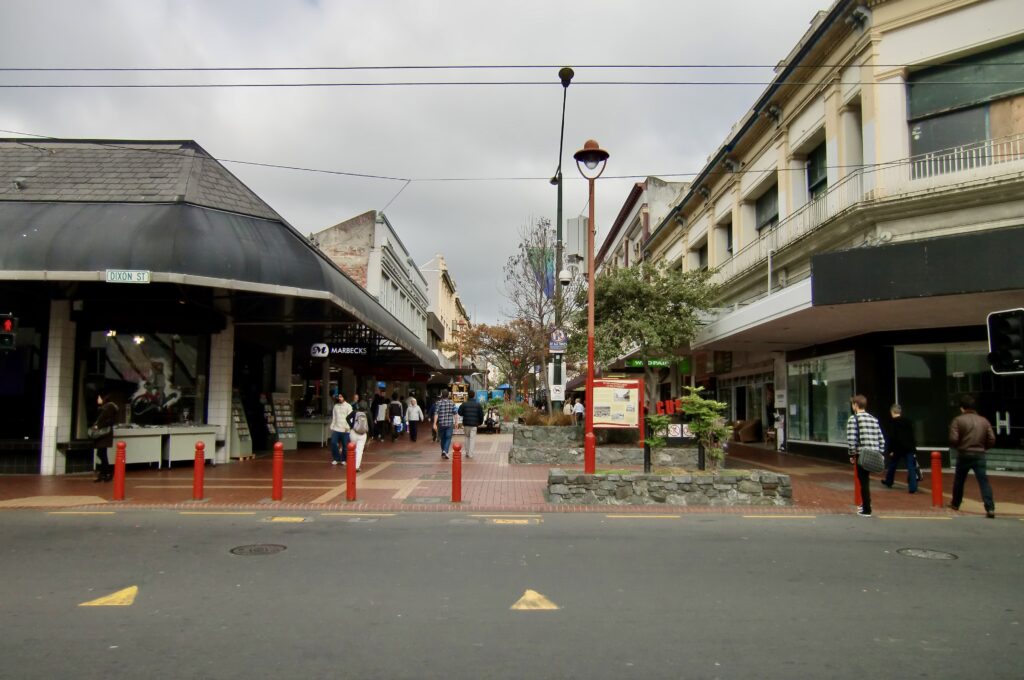
Fun fact: despite what the Cuban-themed cafés might suggest, Cuba Street is actually named after a settler ship called the Cuba, which arrived in Wellington Harbour back in January 1840. The cafés just ran with the aesthetic.
At the centre of the pedestrian mall sits the Bucket Fountain, a kinetic sculpture installed in 1969 where metal buckets tip and fill at seemingly random intervals. It’s wonderfully strange and has become one of Wellington’s most beloved landmarks.
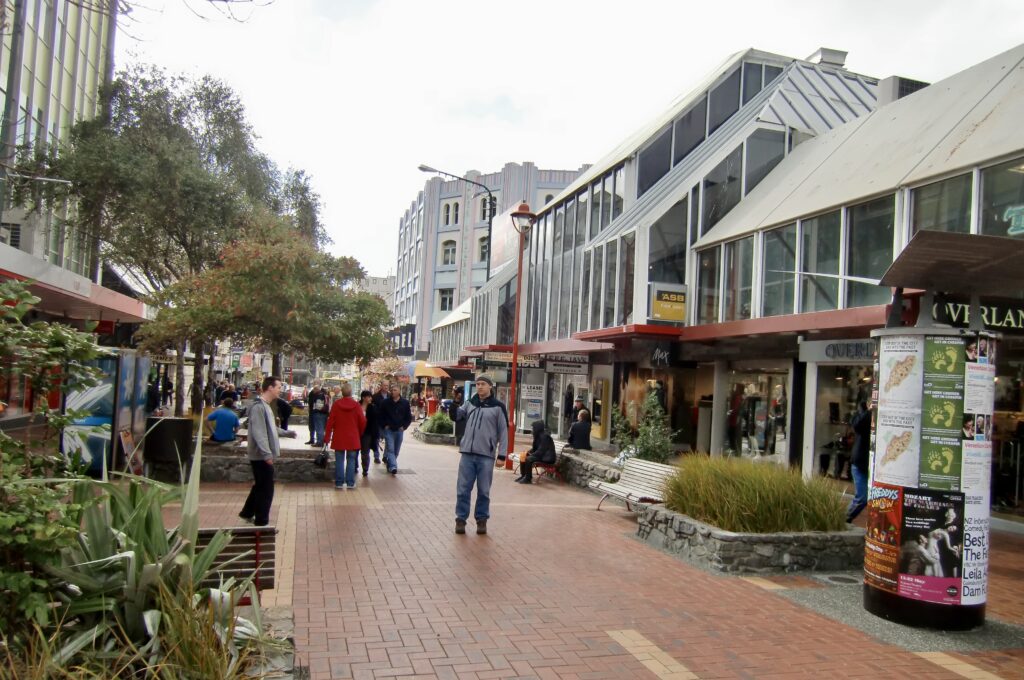
💡 Visitor tip: Weekdays are quieter if you want to wander at your own pace. There’s no wrong café to walk into — just pick whichever looks good.
🎶 Street Culture: When the City Becomes a Stage
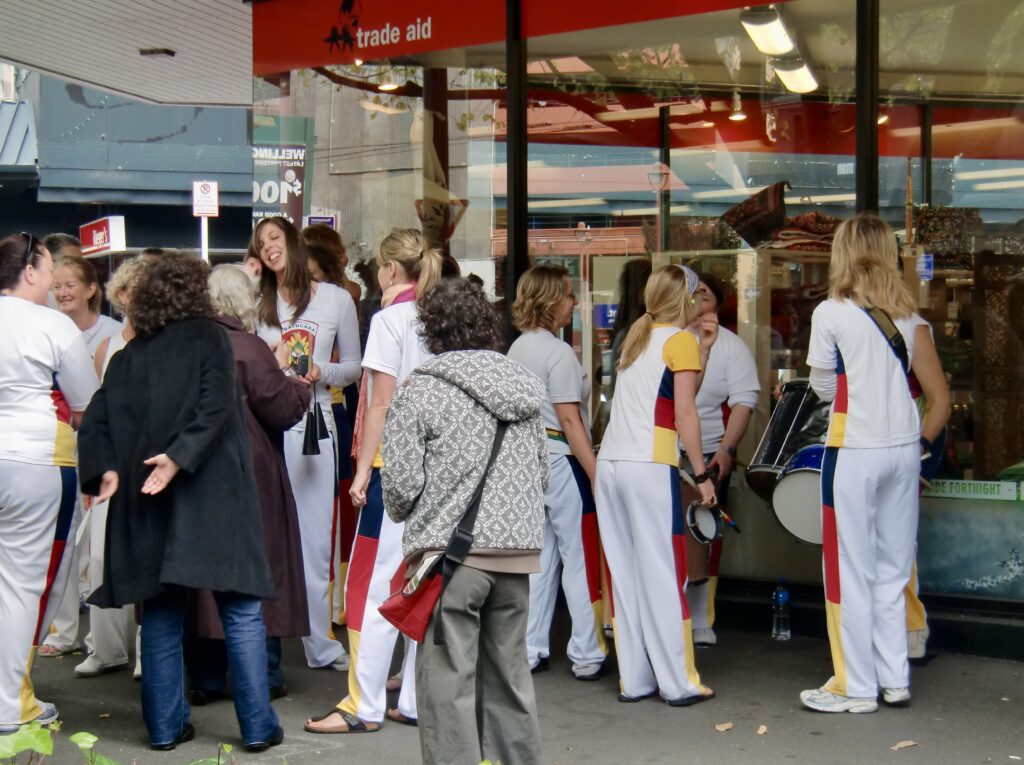
One of the things I love most about Wellington is how live performance just happens — no announcement, no stage, just someone setting up on a corner and filling the street with music.
On this particular visit, a group was playing somewhere on Cuba Street, and a small crowd had gathered without anyone really planning it. That spontaneous energy is very Wellington.
If your timing is right, the CubaDupa festival (usually late March) transforms the entire neighbourhood into an outdoor arts venue — over 120 acts and 250+ performances across a single weekend, completely free.
🏛 Parliament Grounds: Go Inside the Beehive
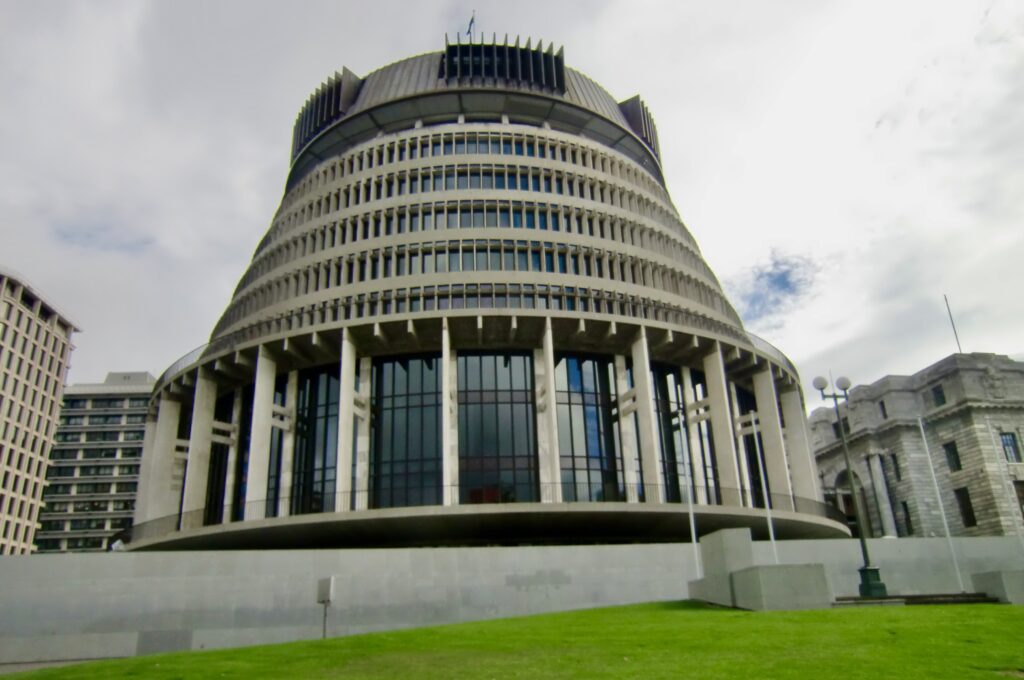
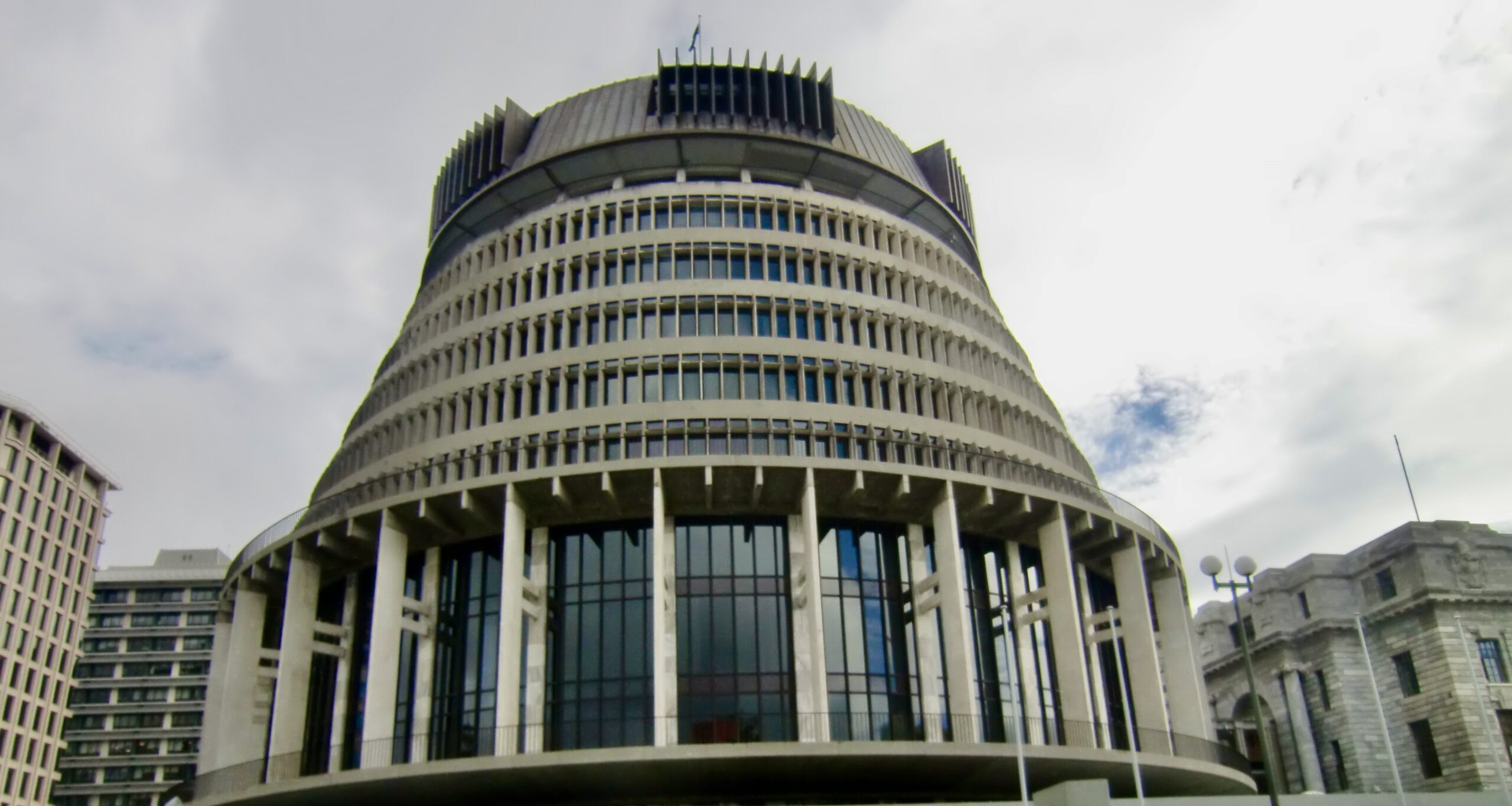
No visit to Wellington is complete without stopping by the Parliament Buildings — and specifically, the iconic Beehive(officially the Executive Wing).
The contrast between the white neoclassical Parliament House and the circular stepped Beehive right next door is striking. As for the name: the architect, Sir Basil Spence, apparently sketched the design after being inspired by a box of “Beehive” brand matches. Very New Zealand.

💡 Visitor tip:
Tours cover the debating chamber, committee rooms, and Beehive interior; multilingual info sheets available
Free guided tours run daily, lasting about 1 hour each
Visitor Centre open daily 9:30am–5:00pm; tours run 10:00am–4:00pm on the hour
Booking ahead is recommended — tours are popular and numbers are limited
🌊 Frank Kitts Park & the Waterfront: Harbour Air and Sea Sounds
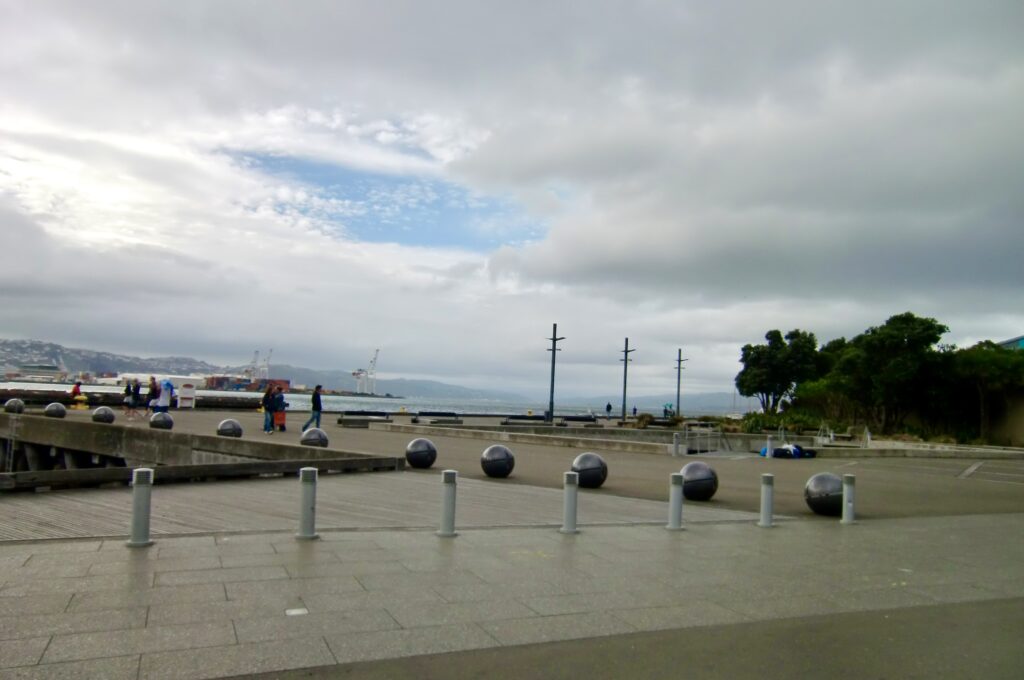
The waterfront area around Frank Kitts Park quickly became my favourite part of the city.
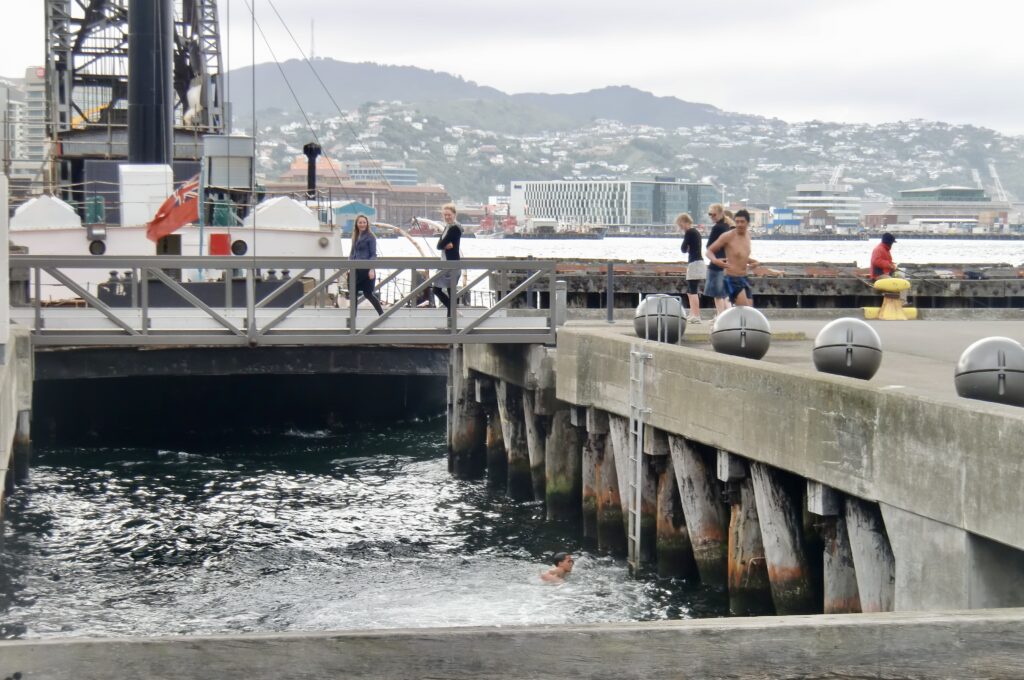
A wide promenade runs along the harbour, with park benches facing the water, the sound of waves and gulls, and local people going about their day — some of them casually jumping into the sea for a swim, which I found quietly wonderful. The weather shifts fast in Wellington, and even on an overcast day, the harbour has a moody beauty to it.
🏛 Te Papa Museum: Half a Day Isn’t Enough
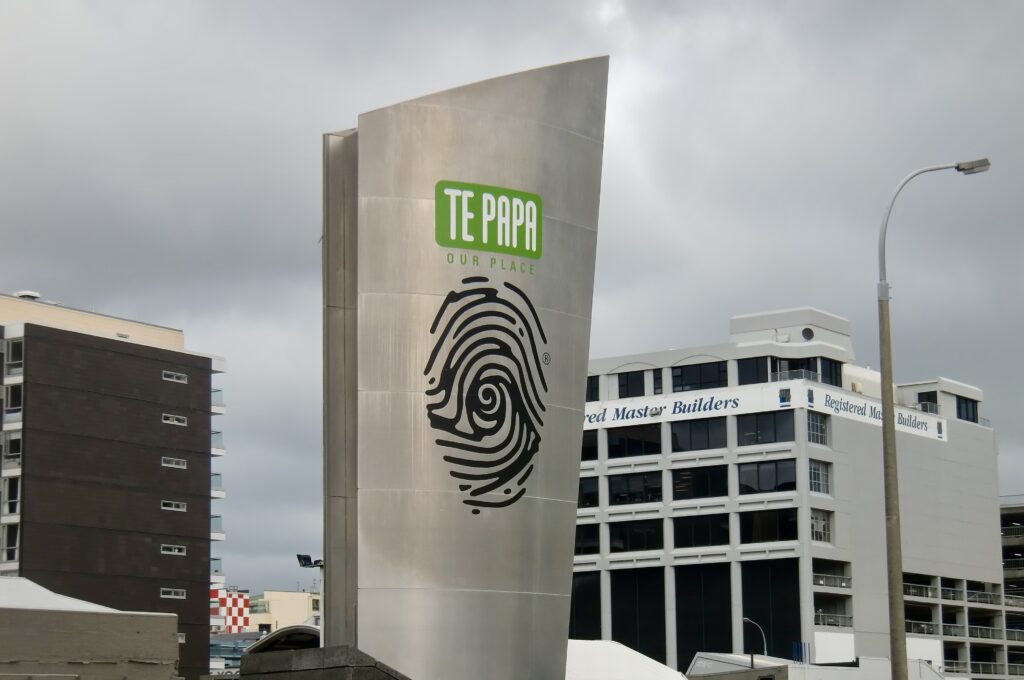
Wellington’s national museum, Te Papa (Māori for “treasure box”), sits right on the waterfront and is genuinely one of the best museums I’ve visited anywhere.
The building itself is architecturally striking, but what’s inside is the real draw. The permanent collections cover:
- Māori culture and taonga (treasures), including a stunning wharenui (meeting house)
- New Zealand’s natural history, geology, and disaster history
- Pacific Island cultures
- The national art collection
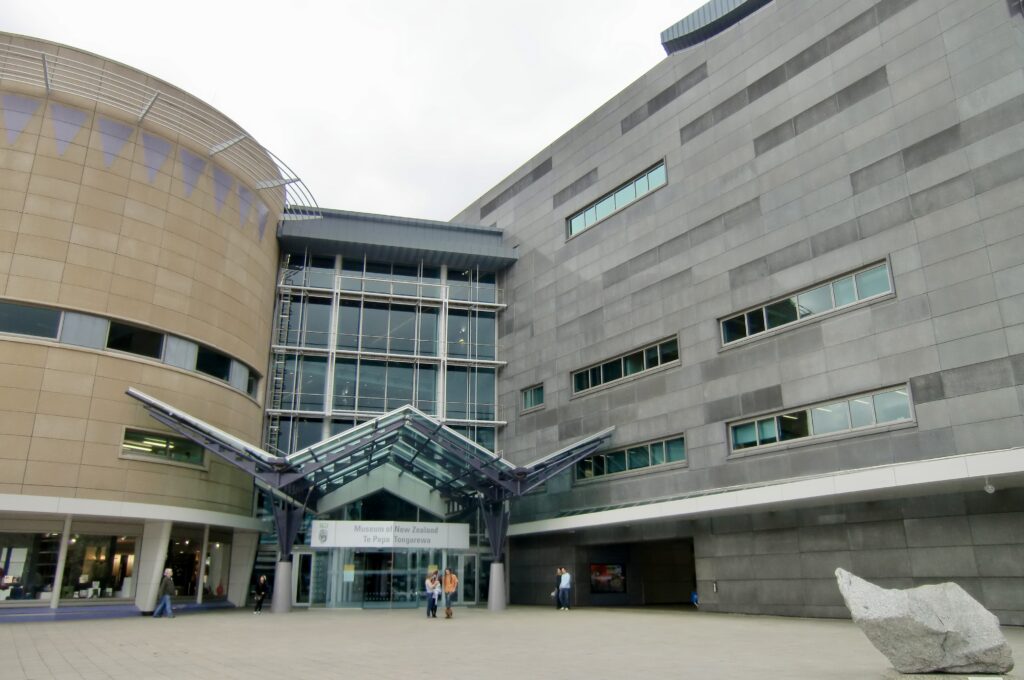
Most visitors spend 2+ hours, and it’s easy to see why — I kept finding new things to look at.
💡 Visitor info:
- Address: 55 Cable Street, Wellington (right on the waterfront)
- Hours: Daily 10:00am–6:00pm (closed Christmas Day only)
- Entry: Free for NZ residents. International visitors (16+): NZ$35 — valid for 48 hours, so you can come back the next day at no extra cost. Under-16s are free.
- A great option on rainy days too — plan for a few hours minimum.
🌙 Wellington at Night: When the City Quiets Down
As evening falls, Wellington shifts gears entirely. The street art and sculptures along the waterfront glow under lighting, the harbour reflections shimmer, and the energy of daytime Cuba Street gives way to something slower and more contemplative.
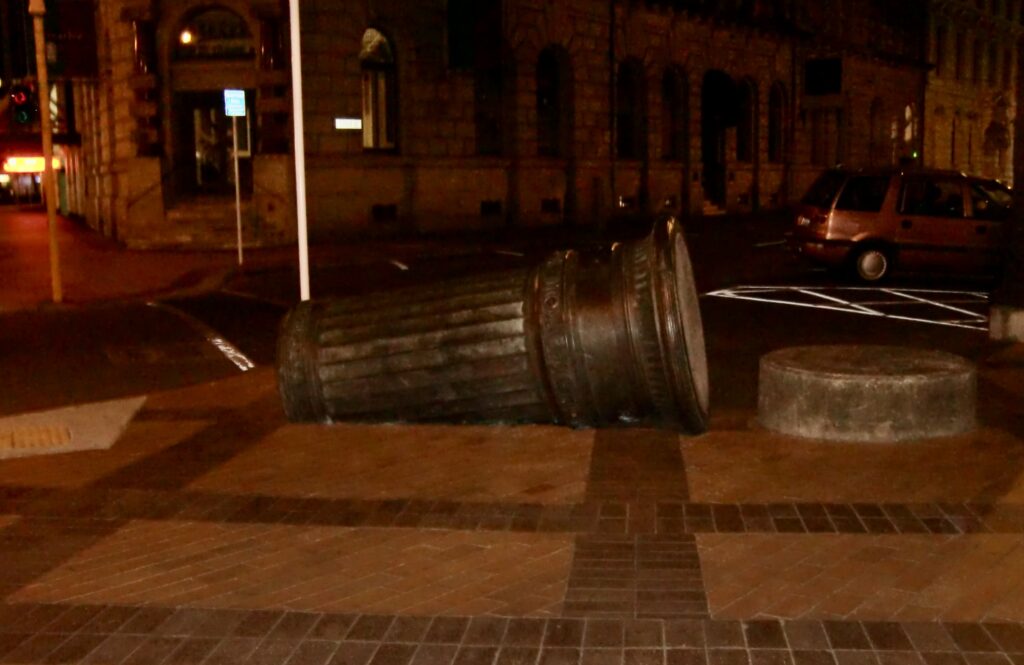
That contrast — the buzz of the day versus the stillness of the evening harbour — is what makes Wellington feel complete as a city. It was a perfect way to end the day.
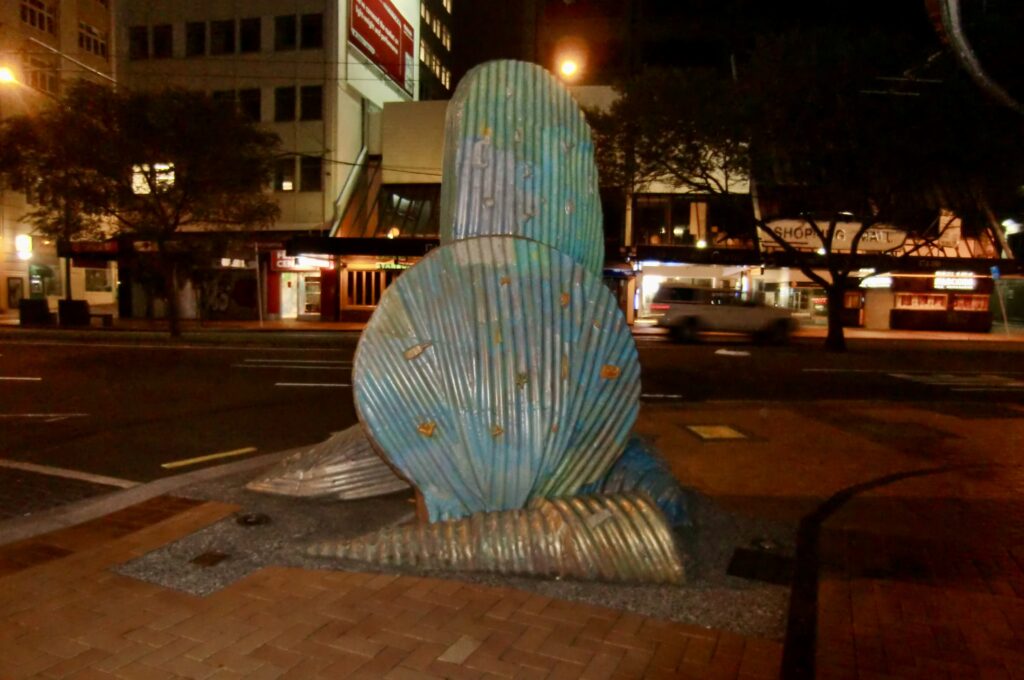
🛏 A Note on Hostels (The Backpacker Experience)
I was travelling on a tight budget at the time, so I stayed in hostels — dorm rooms throughout. New Zealand is safe, and everyone around me was doing the same, so it felt like the obvious choice.
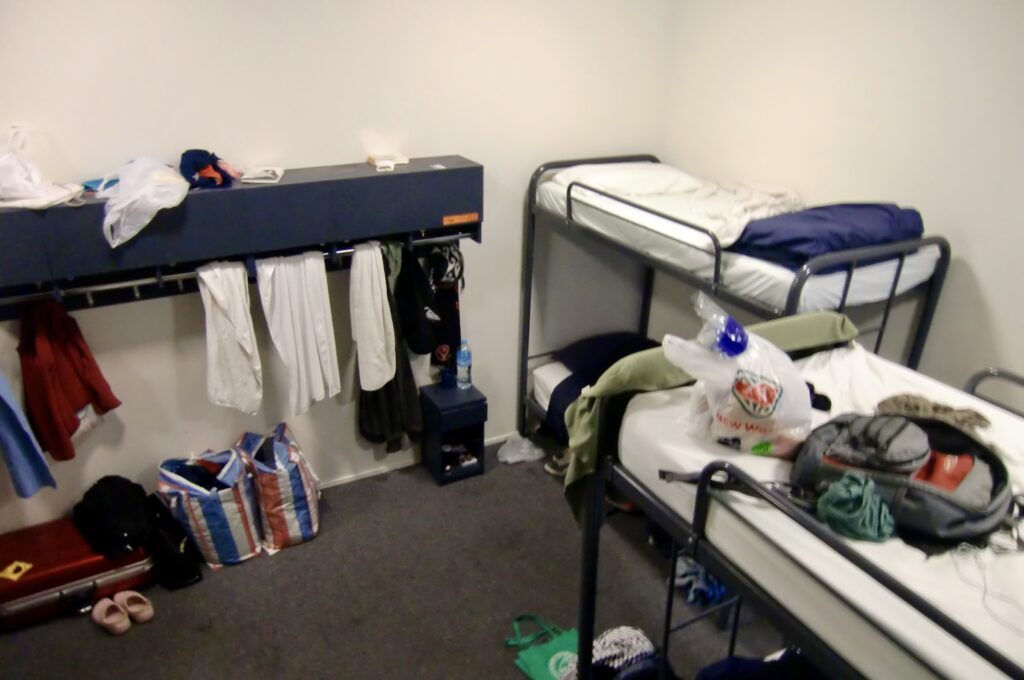
The first time you walk into a dorm with a dozen bunk beds, it’s admittedly a bit of a moment (laughs). But the social side of hostel life is genuinely one of the best things about budget travel — you meet people you never would have otherwise. If you’re backpacking New Zealand, I’d encourage you to lean into it.
✅ Final Thoughts: Wellington Has It All
Wellington is one of my favourite cities, full stop. Culture, art, food, history, nature — all packed into a city small enough to explore on foot in a single day.
You could spend your time in a café, wandering the harbour, standing outside the Beehive, or losing yourself in Te Papa — and no matter what you choose, you’ll find something worth remembering.
I’ve come back multiple times since living on the South Island, and it gets better every visit.
Next up: Palmerston North.


コメント