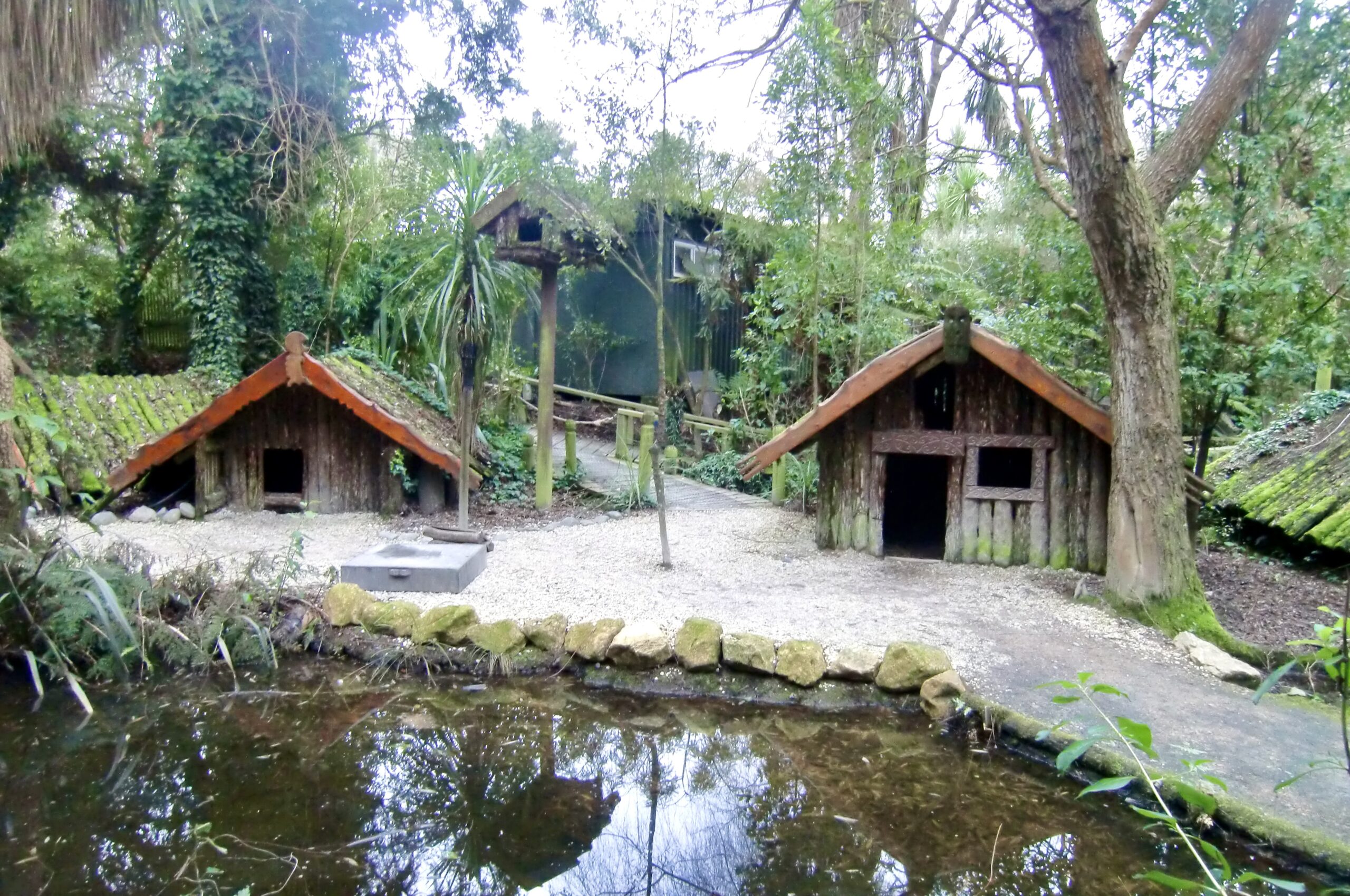
After a couple of days exploring central Christchurch, I made my way out to Willowbank — a small wildlife reserve about 20 to 30 minutes from the city center. It’s less like a conventional zoo and more like a nature park where you move through the animals’ space at your own pace, on quiet paths through native bush. My main reason for going: to see a kiwi — New Zealand’s national bird and an endangered species.
A quick aside: do you know what Japan’s national bird is? It’s the green pheasant — the same bird that appears alongside Momotaro in the old folktale. It comes up surprisingly often when traveling abroad, so it’s a useful piece of trivia to have on hand. Japan’s national flowers, if you’re curious, are the cherry blossom and chrysanthemum.
Getting There
I took the bus from central Christchurch, though it involved a change and took longer than expected. If you have a car or can rent one, the drive is around 20–30 minutes and much more straightforward. I’d recommend the rental car option — it makes the whole trip easier and gives you flexibility for other stops.
Official visitor info: https://www.willowbank.co.nz/visitor-info/plan-your-visit/
A Quietly Wonderful Place
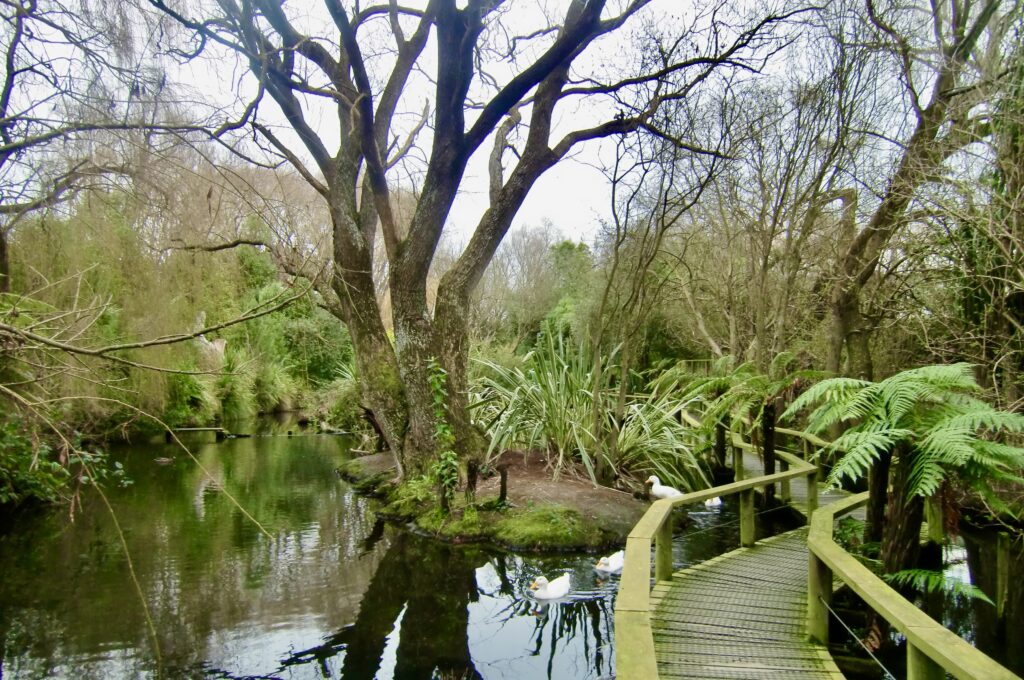
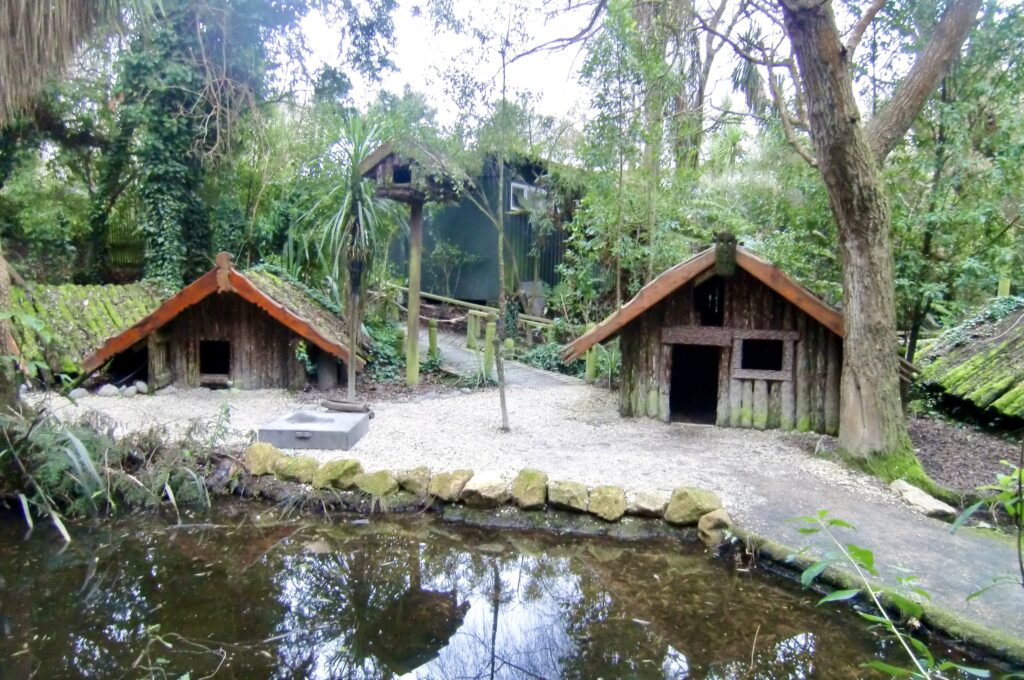
Willowbank is surrounded by greenery, and the animals seem genuinely content — not a phrase I use often about captive wildlife. There’s no theatrical staging, no loud signage, no gift shop looming over every corner. What it has instead is a calm, unhurried atmosphere that feels distinctly New Zealand: the philosophy seems to be coexistence rather than spectacle. I did notice that the enclosures were rather nicely designed — possibly nicer than some accommodation I’ve stayed in — but I’ll let the animals enjoy that without comment.
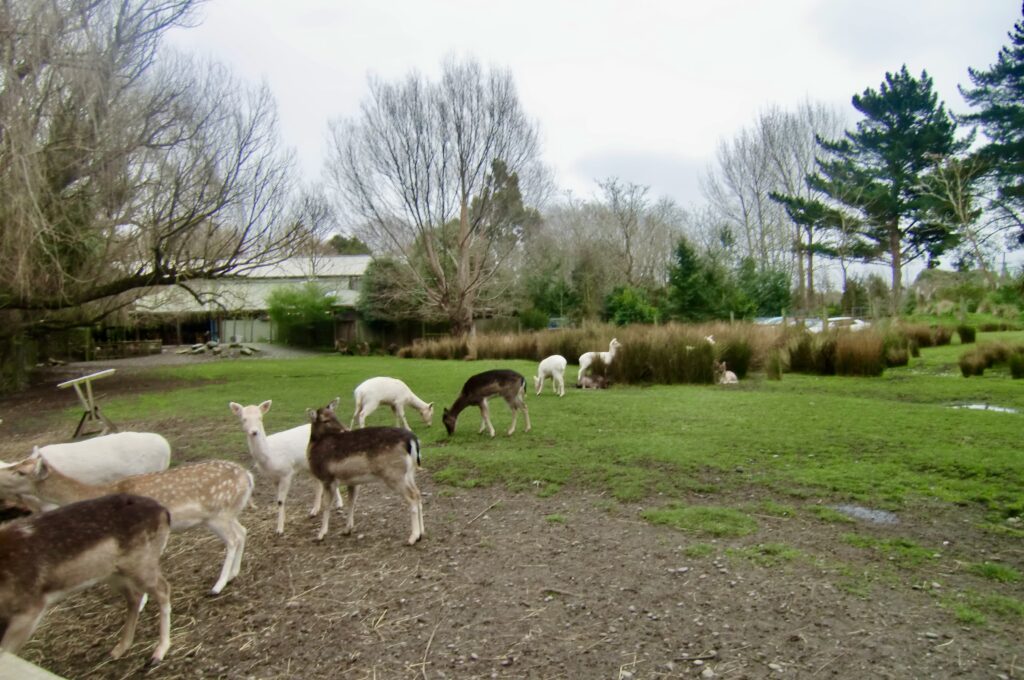
Full animal list: https://www.willowbank.co.nz/about-us/meet-the-animals/
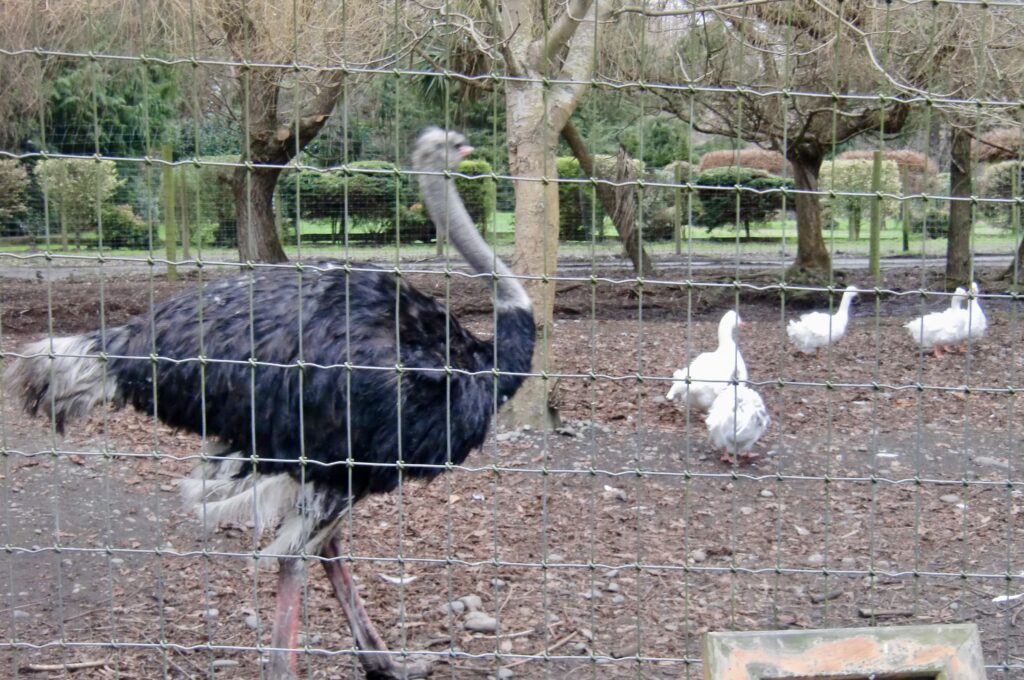
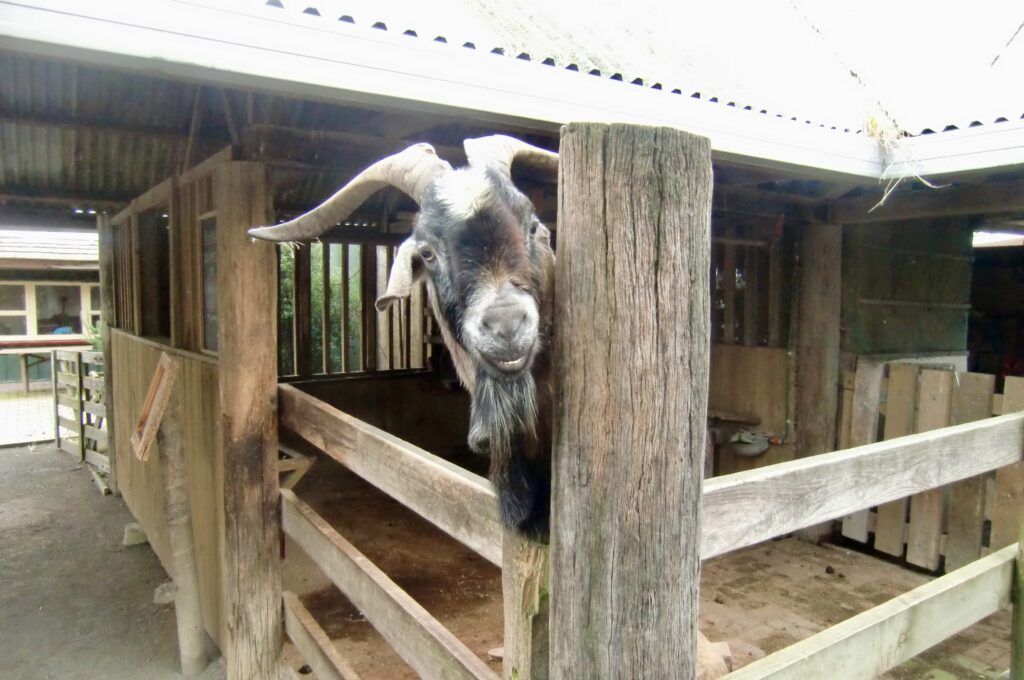
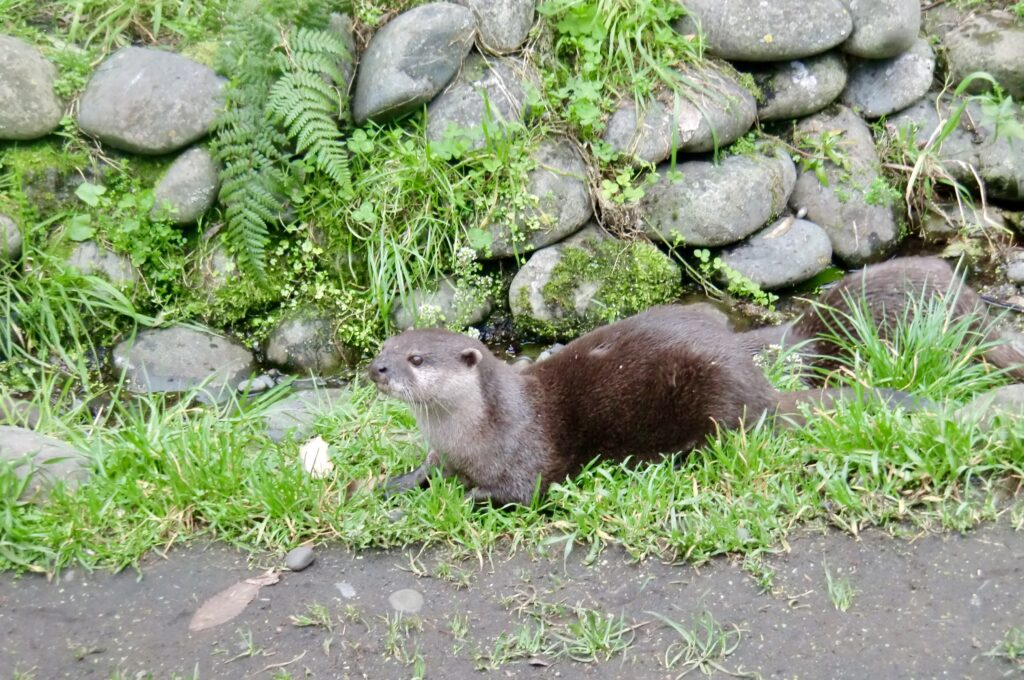
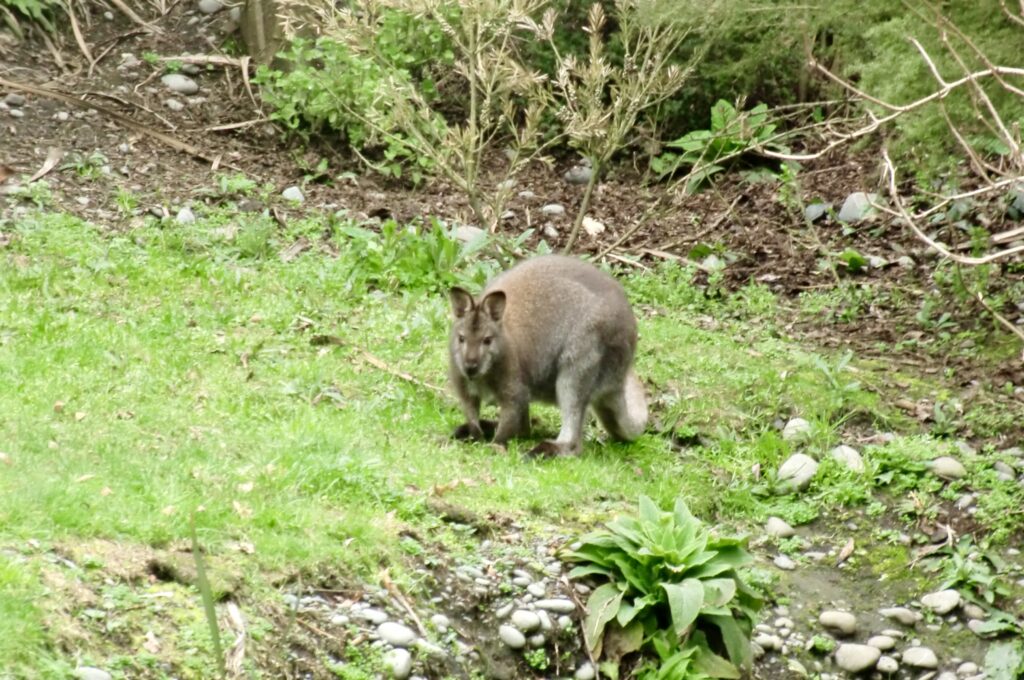
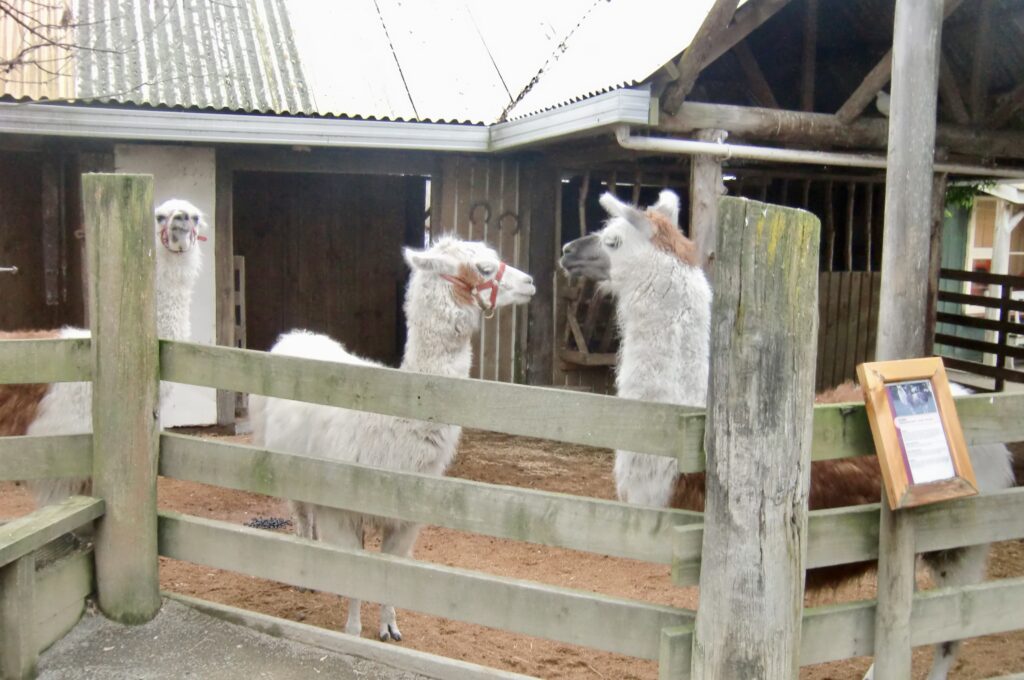
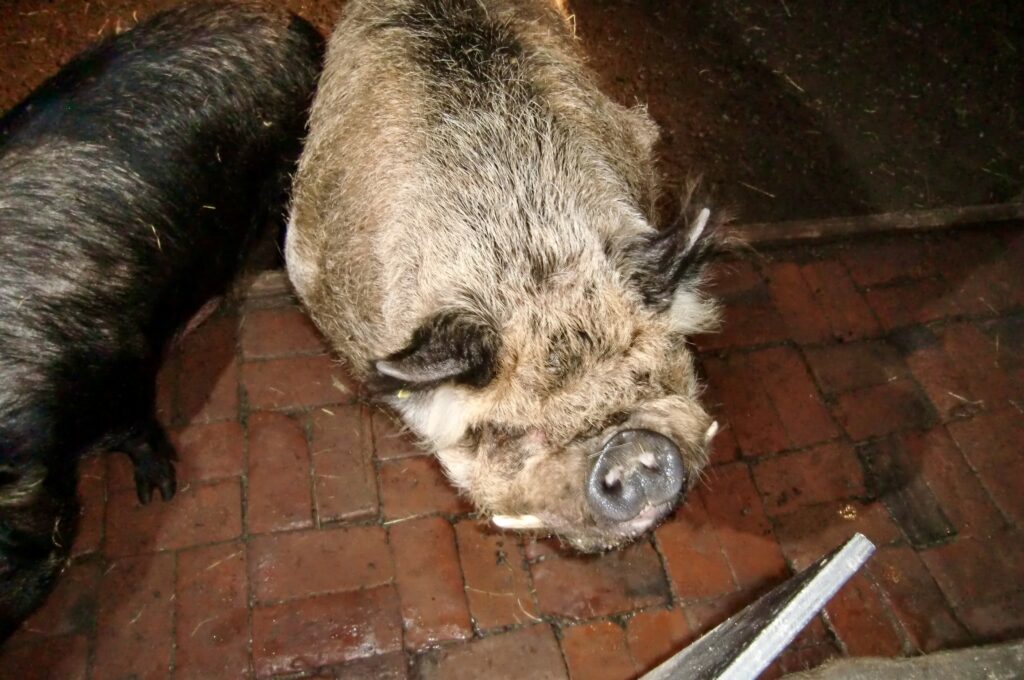
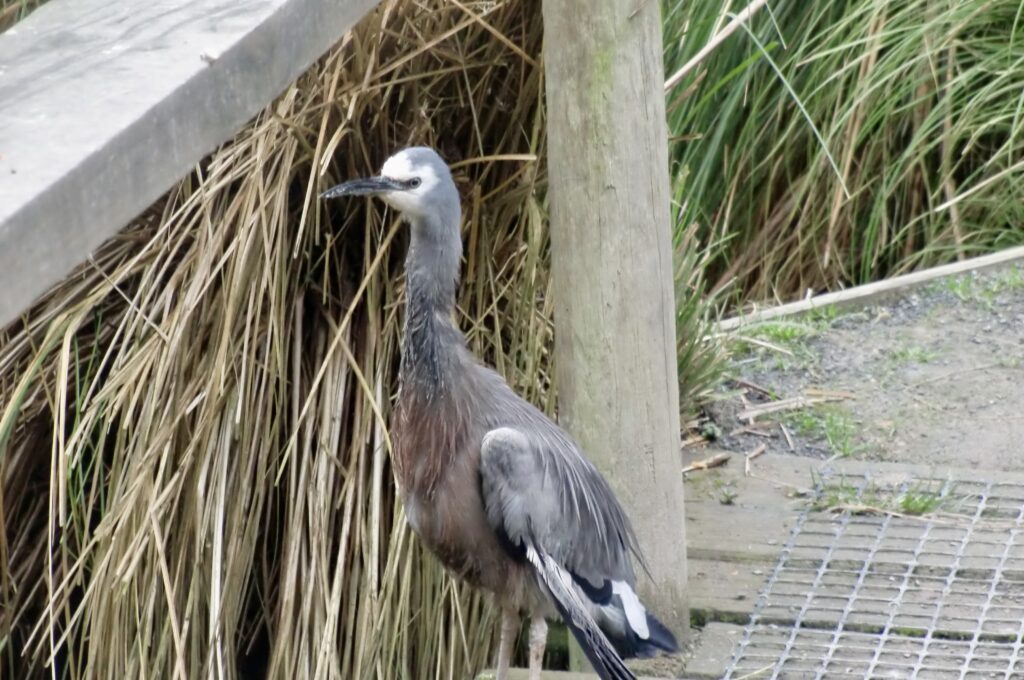
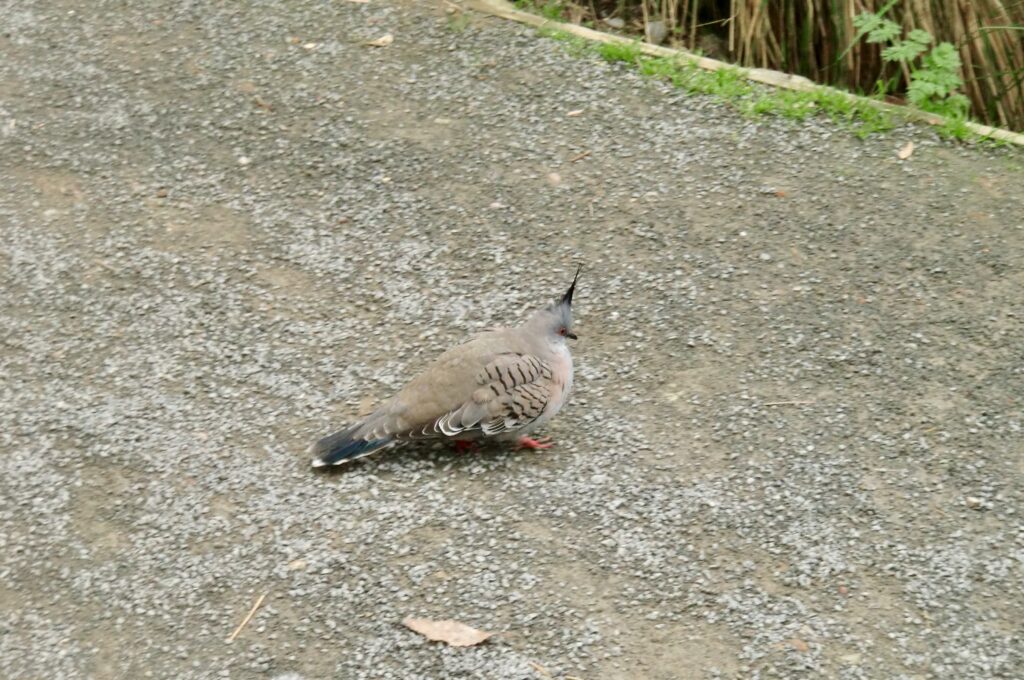
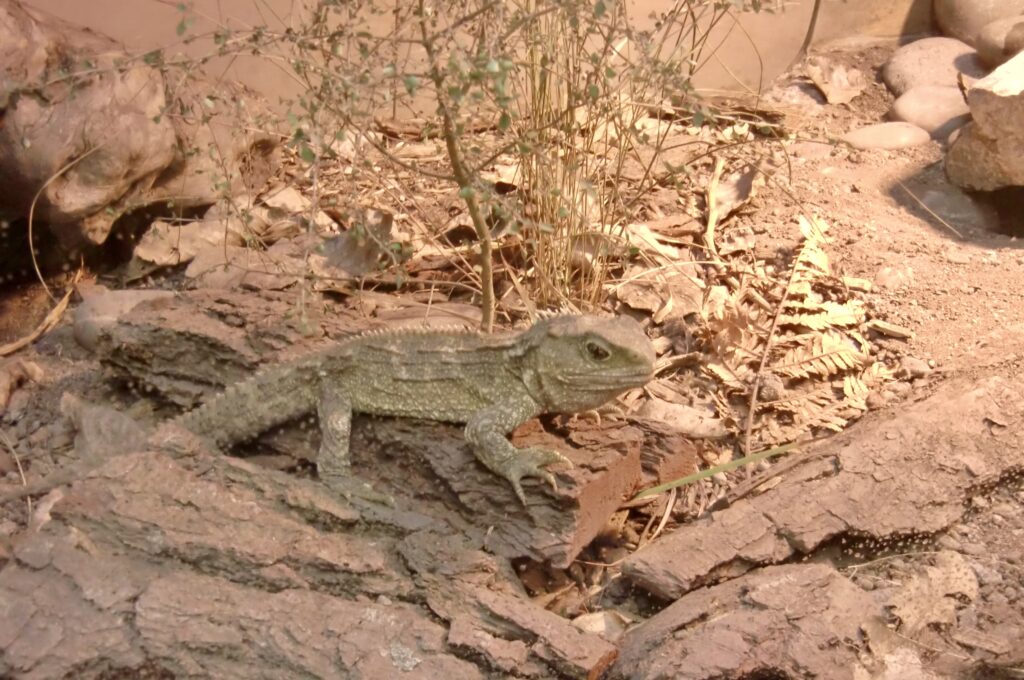
Tuatara
To my surprise, the tuatara I’d traveled all the way to Invercargill to see the previous week was also here at Willowbank. In perfectly comfortable enclosures. A short bus ride from central Christchurch. I’m choosing to view the Invercargill detour as character-building. The tuatara, for its part, looked completely unbothered — as ancient reptiles tend to.
Kea
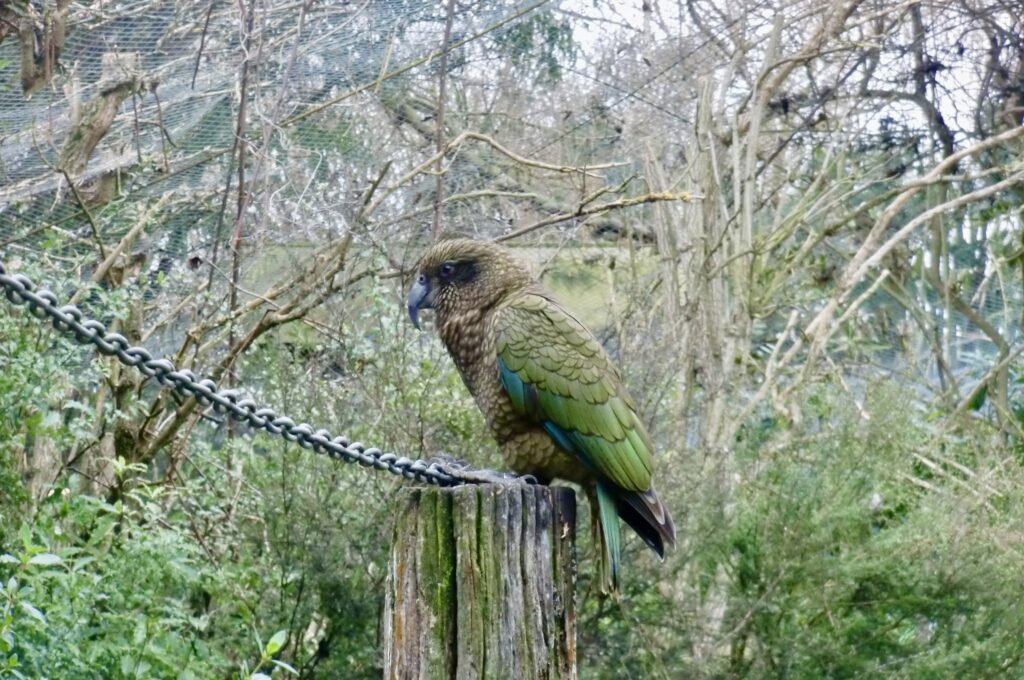
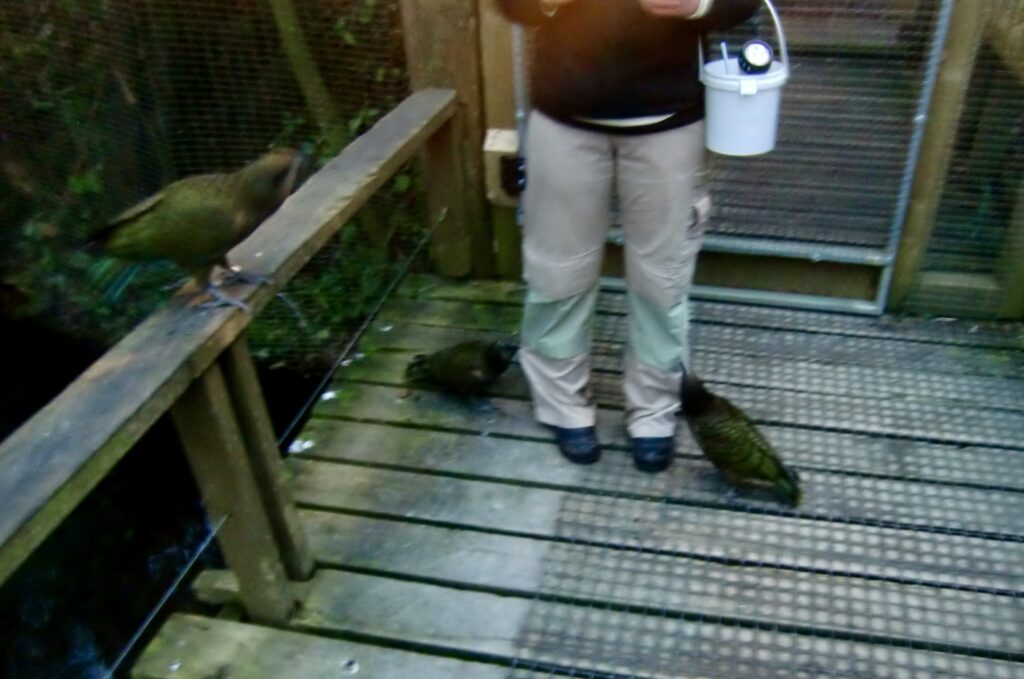
The kea is widely regarded as the world’s most intelligent parrot, and spending five minutes watching one makes it easy to believe. The individual at Willowbank had decided that the best use of its considerable intellect was to grab a keeper’s trouser leg and refuse to let go. It was difficult to be anything other than charmed. Kea are native to the South Island’s alpine regions and have a well-earned reputation for both cleverness and mischief.
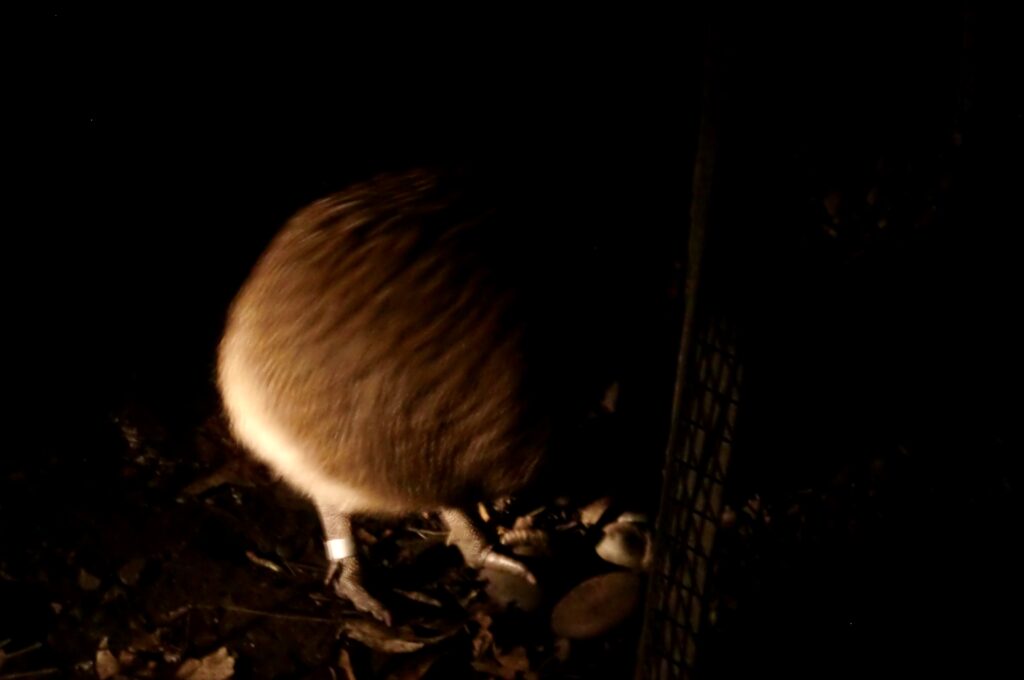
Kiwi
The kiwi enclosure is kept deliberately dark — kiwi are nocturnal, and the low light replicates their natural environment. I couldn’t get a clear photograph, but I could make out a small, round, slightly frantic shape moving through the undergrowth. Kiwi are flightless, roughly the size of a domestic chicken, and have been under severe pressure from introduced predators for decades. Wild populations still exist, but the species is classified as vulnerable. They’re also the reason New Zealanders call themselves Kiwis — the bird has become as much a national symbol as the haka or the silver fern. Standing in that dim enclosure and watching one shuffle past felt genuinely significant.
Christchurch, Then and Now
I recently watched a video by a travel YouTuber I follow — Shige-tabi — documenting a visit to present-day Christchurch. The city looks substantially different from what I remember: newer buildings, modern restaurants, a rebuilt city center that has clearly moved on from the earthquake in its own way. He was particularly enthusiastic about the oysters, which tracks — Christchurch oysters are excellent and I say that from personal experience.

Final Thoughts: A City That Gets the Balance Right
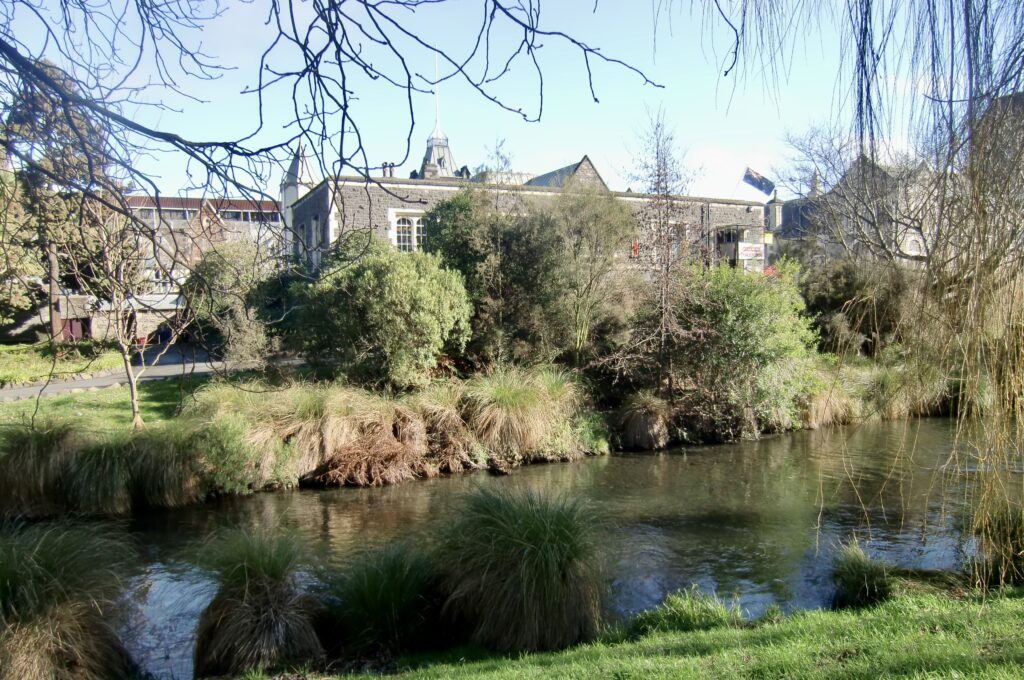
One night in Christchurch, a morning in the city center, an afternoon at Willowbank. It wasn’t a long stay, but it was a satisfying one. I traveled entirely by bus that trip, which was manageable but limiting — if I were doing it again, I’d rent a car without hesitation. Christchurch is large enough to have everything you need and small enough to feel livable. I’d like to go back and see what it looks like now. Next up: Milford Sound, a UNESCO World Heritage site, and one of the most extraordinary places I’ve ever been.

コメント